
If you are planning your first trip to New Zealand, choosing between the North Island vs South Island can be surprisingly difficult. Both offer spectacular scenery, outdoor adventures and memorable places to visit, but the travel experience is quite different.
For first-time visitors with limited time, the North Island is generally the easier choice for culture, geothermal attractions, beaches, cities and a more compact itinerary. The South Island is usually the stronger choice if your priority is dramatic mountain scenery, glaciers, alpine landscapes, wildlife and classic road-trip experiences.
There is no universally better island. The right choice depends on how long you have, what you want to see, how you plan to travel and what kind of holiday you enjoy.
This guide compares the North and South Islands by scenery, activities, weather, travel time, cost, road trips, cities and suitability for first-time visitors, so you can make the decision before booking your flights.
 Plan your journey with our New Zealand road trip planning guide, including driving routes, distances and itinerary ideas.
North Island vs South Island: Quick Comparison
| Feature | North Island | South Island |
|---|---|---|
| Best for | Culture, geothermal attractions, beaches, cities | Mountains, glaciers, lakes, wildlife |
| Best for first-time visitors | Excellent for shorter trips | Excellent for scenery-focused trips |
| Scenery | Volcanic, coastal, geothermal and rolling countryside | Alpine, mountainous, glacial and rugged |
| Major cities | Auckland, Wellington | Christchurch, Dunedin |
| Popular destinations | Auckland, Rotorua, Taupō, Wellington, Bay of Islands | Queenstown, Christchurch, Aoraki/Mount Cook, Fiordland, Wanaka |
| Outdoor activities | Hiking, kayaking, beaches, geothermal attractions | Hiking, skiing, kayaking, mountaineering, scenic cruises |
| Māori cultural experiences | Particularly strong choice | Available, but generally less concentrated |
| Weather | Generally milder in the north | Cooler overall, especially inland and in the south |
| Road-trip character | More varied cities, coast and volcanic landscapes | Strong choice for dramatic scenic driving |
| Best for a 5–7 day trip | Often easier to cover | Choose one compact region rather than the whole island |
| Best for 10–14+ days | Excellent | Excellent, with more time for long scenic routes |
The official New Zealand tourism organisation describes the North Island as a diverse destination combining cities, history, culture, coastlines and geothermal attractions, while the South Island is particularly known for alpine scenery, glaciers, wildlife and large natural landscapes.
What Is the Main Difference Between the North and South Islands?
The simplest way to think about the difference is this:
The North Island is the better all-rounder for culture, geothermal landscapes, beaches and urban experiences, while the South Island is the stronger choice for dramatic natural scenery and mountain adventures.
That is an oversimplification, but it is useful when making a first decision.
The North Island experience
The North Island combines New Zealand’s largest city, Auckland, with destinations such as the Bay of Islands, Rotorua, Taupō and Wellington.
It is particularly appealing if you want to combine several different types of experiences in one trip:
- Māori culture and history
- Geothermal areas and volcanic landscapes
- Beaches and coastal scenery
- Cities, restaurants and museums
- Hiking and outdoor activities
- Wine and food experiences
- Hot pools and spa experiences
- Family-friendly attractions
Rotorua is especially notable for geothermal activity and Māori cultural experiences, while the central North Island provides access to volcanic landscapes around Tongariro and Taupō. Tourism New Zealand highlights the Coromandel, Waikato, Rotorua, Bay of Plenty and Taupō among the central North Island’s key regions.
The South Island experience
The South Island has a different visual character.
Think:
- Southern Alps
- Glacial lakes
- Mountain passes
- Fiords
- Alpine hiking
- Wildlife
- Vineyards
- Dark-sky experiences
- Dramatic coastal scenery
The South Island is home to 10 of New Zealand’s 14 national parks, according to Tourism New Zealand, making it particularly attractive to travellers whose priority is hiking and large-scale natural landscapes.
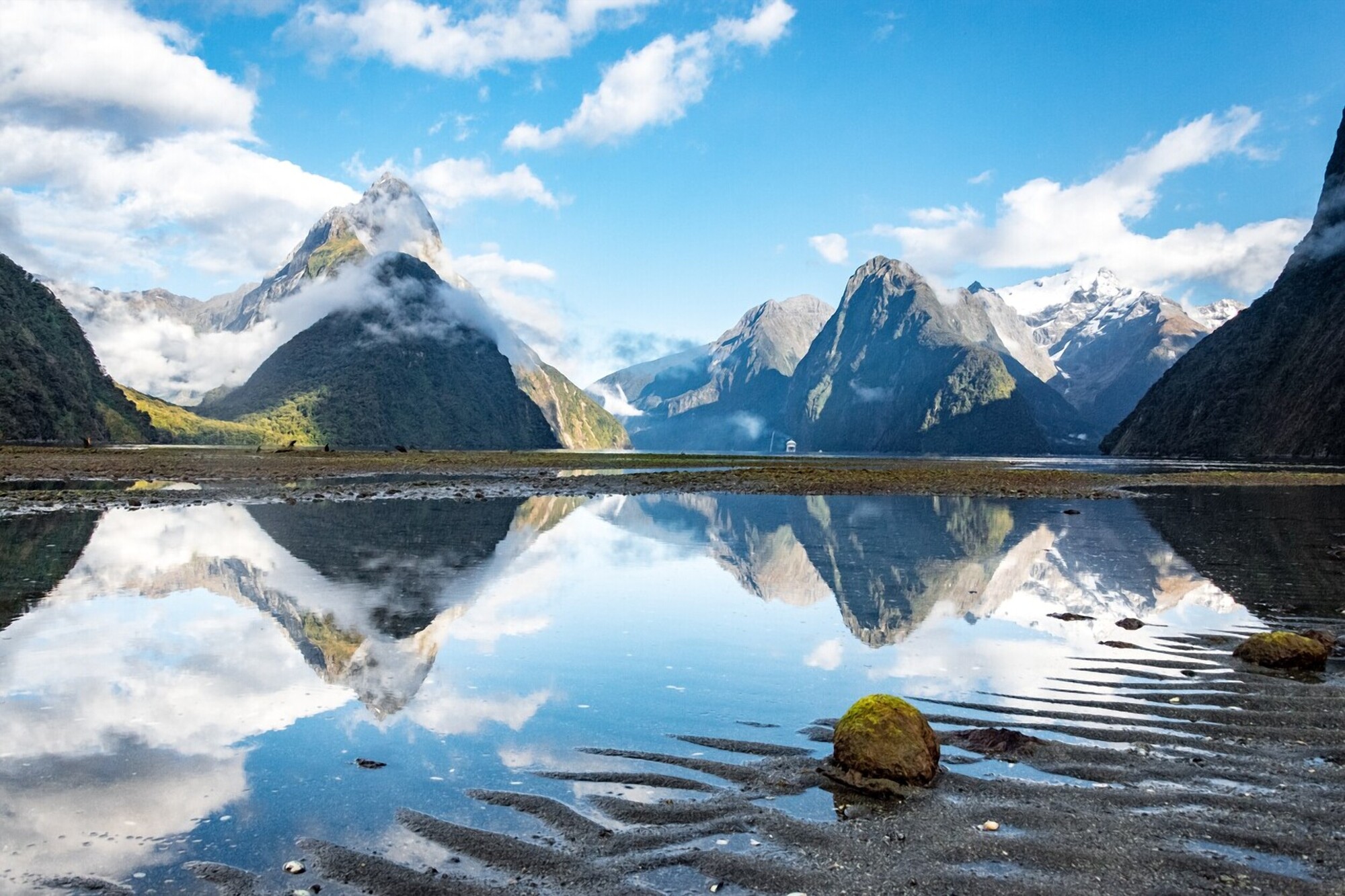
Destinations such as Queenstown, Wānaka, Aoraki/Mount Cook, Fiordland, Milford Sound, Abel Tasman and the West Coast can make the South Island feel like a concentrated collection of outdoor experiences.
Which Island Is Better for First-Time Visitors?
For North Island vs South Island for first-time visitors, there is no single answer, but your trip length is one of the best deciding factors.
Choose the North Island if you have 5–7 days
A shorter trip can work particularly well in the North Island because you can combine several major experiences without attempting an enormous road journey.
For example, a first trip could include:
Auckland → Rotorua → Taupō → Wellington
That gives you city life, geothermal attractions, volcanic scenery, Māori cultural experiences and a second major city.
You could instead concentrate on Auckland and the northern regions if beaches and coastal scenery are more important to you.
Choose the South Island if scenery is your priority
If your main reason for visiting New Zealand is seeing mountains, turquoise lakes, glaciers and dramatic wilderness, the South Island deserves serious consideration even on a shorter trip.
The important thing is not to try to see the entire island in a few days.
For a week, you could focus on an area such as:
Christchurch → Aoraki/Mount Cook → Wānaka → Queenstown
or build a shorter Queenstown-based itinerary.
This approach gives you more time to enjoy destinations instead of spending most of your holiday driving.
Choose both if you have enough time
If you have around two weeks or more, visiting both islands becomes much more realistic.
You can fly between major centres or travel between the islands by ferry. The Cook Strait ferry connects Wellington on the North Island with Picton on the South Island. Interislander advises allowing about three and a half hours for the sailing, while its timetable and check-in requirements can change, so check the operator before travelling.
Domestic flights can also make an island-to-island itinerary practical. For example, Air New Zealand lists the Auckland–Christchurch route at about 1 hour 25 minutes of nonstop flying time, although total journey time is longer once airport transfers, check-in and baggage are included.
North Island vs South Island for Scenery
North Island scenery
The North Island’s scenery is more varied than the simple “beaches and volcanoes” description suggests.
You can find:
- Volcanic mountains
- Geothermal fields
- Black-sand beaches
- Forests
- Rolling farmland
- Rugged coastlines
- Lakes
- Island sanctuaries
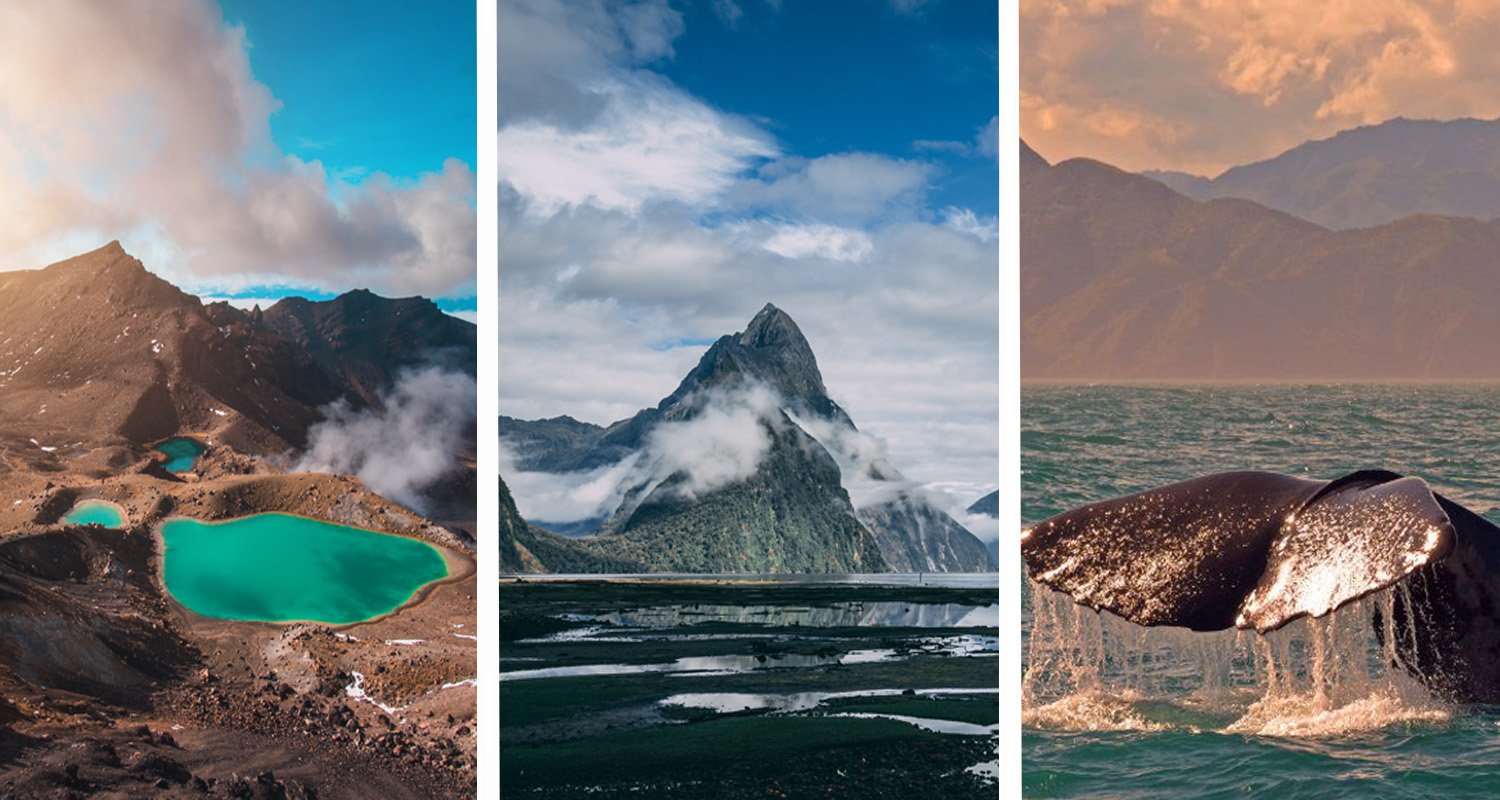
Tongariro National Park is one of the highlights. It is New Zealand’s oldest national park and has dual World Heritage status recognising both its natural volcanic features and Māori cultural and spiritual associations.
South Island scenery
The South Island generally wins if your definition of spectacular scenery involves mountains and wilderness.
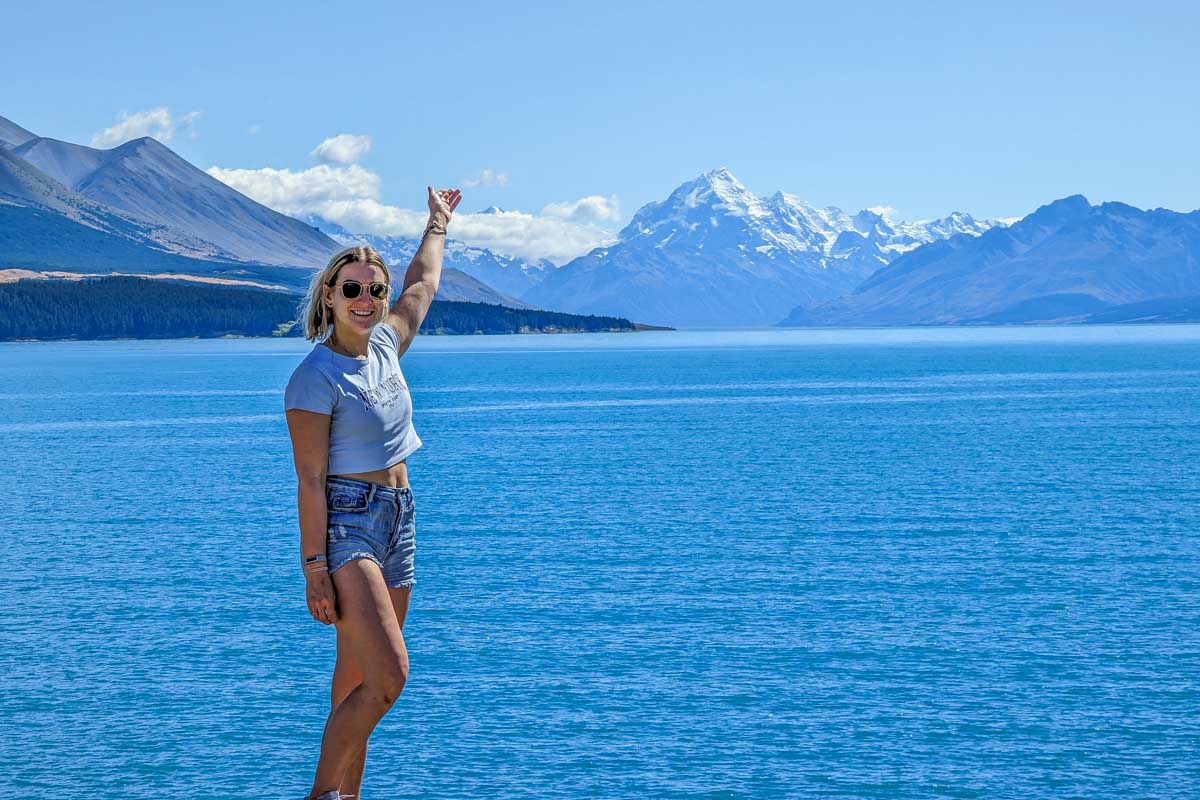
The landscapes around Aoraki/Mount Cook, Wānaka, Queenstown and Fiordland provide the kind of scenery many international visitors associate with New Zealand.
Tourism New Zealand describes the South Island in terms of glaciers, glacial valleys, wildlife, wineries and star-filled skies, with regions ranging from Nelson and Marlborough to the West Coast and the mountainous central and southern areas.
Winner for dramatic scenery: South Island
Winner for variety of scenery: North Island
Which Island Is Better for Outdoor Adventures?
Both islands are excellent for active travellers, but the type of adventure differs.
North Island activities
The North Island is a strong choice for:
- Geothermal walks
- Surfing
- Beach activities
- Kayaking
- Hiking
- Mountain biking
- Skiing around the central plateau
- Water activities on lakes
- Volcano and landscape experiences
Tongariro National Park offers everything from shorter walks to multi-day tramping experiences, while its volcanic landscape makes it one of the North Island’s standout outdoor destinations.
South Island activities
The South Island is particularly strong for:
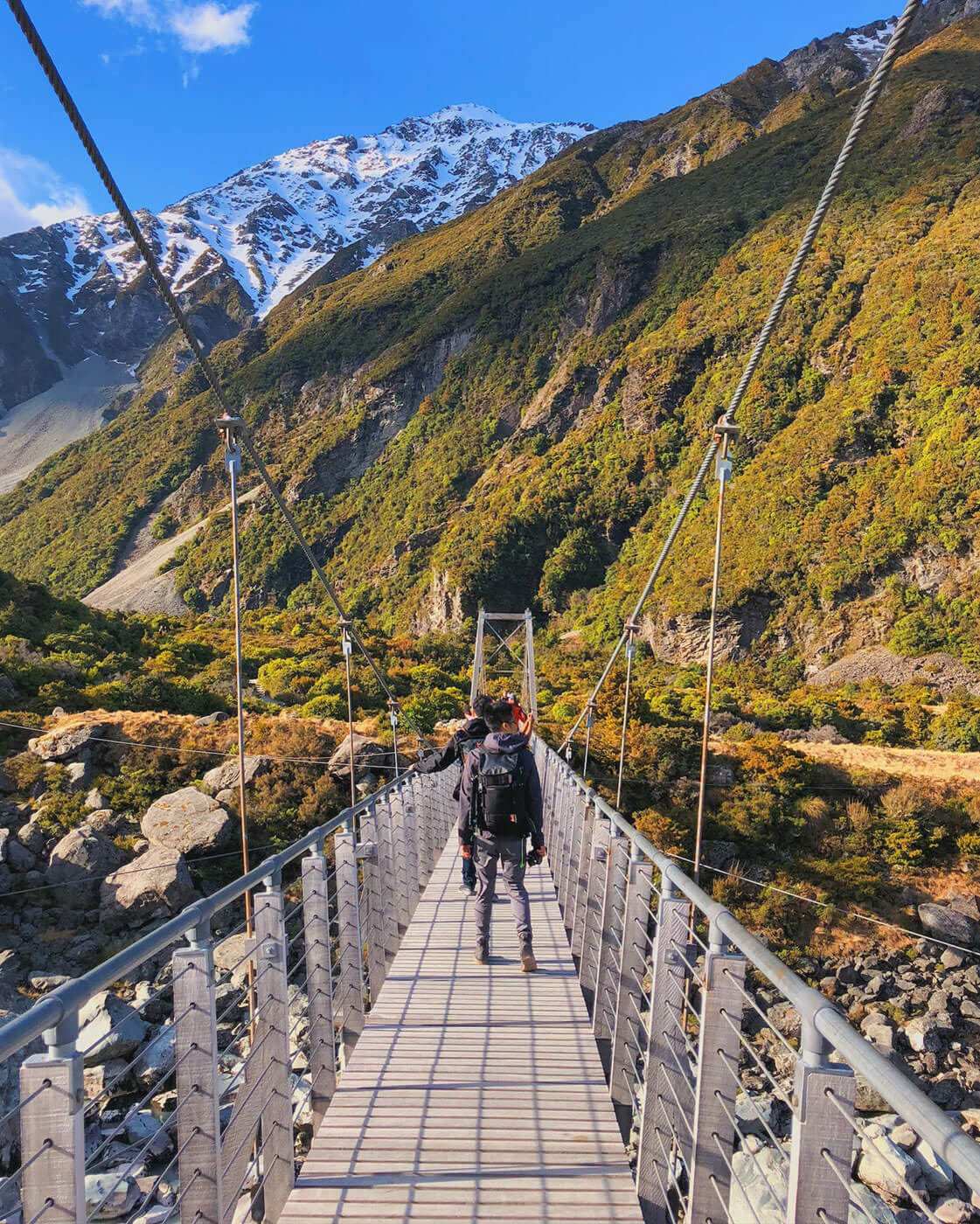
- Alpine hiking
- Skiing and snowboarding
- Scenic cruises
- Kayaking
- Mountain biking
- Wildlife experiences
- Multi-day hikes
- Glacier and mountain experiences
- Adventure sports
Queenstown is a natural base for adventure activities, while Fiordland and Aoraki/Mount Cook provide access to some of the country’s most impressive mountain environments.
Winner for alpine adventure: South Island
Winner for varied outdoor activities without focusing on mountains: North Island
Which Island Is Better for Māori Culture and History?
If Māori culture is an important part of your New Zealand trip, the North Island is usually the easier choice.
This is not because the South Island lacks Māori history or cultural experiences. Rather, many first-time visitors will find it straightforward to include Māori cultural experiences while travelling through the North Island.
Rotorua is a particularly important destination for visitors interested in Māori culture, while Wellington provides museums, cultural institutions and access to New Zealand’s political and national history.
Tongariro also demonstrates why natural attractions should not be separated from cultural context. The Department of Conservation notes the deep cultural and spiritual relationship between Ngāti Tūwharetoa and the mountains of Tongariro National Park.
Winner for an easy first introduction to Māori culture: North Island
Which Island Has Better Weather?
This question needs a little caution because New Zealand does not have one uniform climate.
The country ranges from warm subtropical conditions in the far north to cool temperate conditions in the far south, with alpine conditions in mountainous areas. NIWA also notes that mountain ranges create major regional differences in rainfall and weather.
As a general travel rule:
- The far North Island is relatively mild.
- The central North Island can be cold in winter, particularly at altitude.
- The South Island is generally cooler, especially inland and in southern regions.
- Alpine areas can experience rapidly changing conditions at any time of year.
- The West Coast of the South Island is notably wet.
- Eastern areas of the South Island are generally drier.
For example, NIWA describes Northland as mild and humid, with warm summers and mild winters, while the northern South Island around Nelson and Blenheim can have warm, dry summers and mild winter days.
So instead of choosing an island solely because you expect it to have “better weather”, check the specific regions and season you plan to visit.
Winner for generally milder conditions: North Island
Winner for winter alpine experiences: South Island
Which Island Is Cheaper?
There is no reliable universal answer because accommodation, rental vehicles, activities and travel dates can vary significantly.
However, your itinerary design can have a bigger impact on cost than the island itself.
Costs to consider
When comparing the islands, budget for:
- Accommodation
- Rental car or public transport
- Domestic flights or ferry tickets
- Fuel
- Food
- National park or activity costs where applicable
- Tours and attractions
- Travel insurance
- Airport transfers
A common mistake is looking only at accommodation prices.
A cheaper hotel can become less economical if it requires a long daily drive or if you need to pay for additional transport to reach the attractions you want to visit.
How to keep your trip affordable
For either island:
- Choose fewer destinations.
- Stay two or more nights where practical.
- Avoid crossing the entire island unnecessarily.
- Compare flying with driving between islands.
- Book major transport and accommodation early when travelling during busy periods.
- Mix paid attractions with free walks, viewpoints and beaches.
- Compare the total itinerary cost rather than the nightly accommodation price alone.
Winner for cost: Neither — itinerary matters more.
Which Island Is Easier to Explore Without a Car?
The answer depends heavily on your itinerary.
Major cities such as Auckland, Wellington and Christchurch have public transport, while buses, tours and other transport options connect many popular tourist destinations.
However, some of New Zealand’s most appealing natural attractions are easier to reach with a rental car or organised tour.
The North Island can work well without a car if you deliberately build a city-and-tour-based itinerary.
The South Island can also be visited without driving, but travellers wanting to explore several remote scenic areas may find a car or organised tour more convenient.
For beginners, the key is to decide how you want to travel before choosing the island.
If you dislike driving on unfamiliar roads, do not automatically build your holiday around a huge self-drive itinerary simply because road trips are popular.
Winner for car-free city-based travel: North Island
Winner for flexible scenic road trips: South Island
North Island Road Trip vs South Island Road Trip
A New Zealand road trip can be one of the best ways to experience either island, but the character of the journey is different.
North Island road trip
A North Island itinerary can combine:
Auckland → Hobbiton/Waitomo area → Rotorua → Taupō → Wellington
You can adapt this route according to your interests.
Choose more coastal stops if beaches are important. Spend longer in Rotorua if geothermal attractions and Māori culture are priorities. Add Tongariro if hiking is a major goal.
South Island road trip
A South Island route could include:
Christchurch → Aoraki/Mount Cook → Wānaka → Queenstown
Or you could build a longer journey incorporating Fiordland, the West Coast, Nelson or other regions.
The major advantage is the scenery between destinations.
The major disadvantage is that distances can be deceptive. A destination that looks close on a map may involve a lengthy drive because of mountainous terrain, winding roads and the need to allow time for stops.
Beginner tip: Do not plan your New Zealand road trip using straight-line map distances. Allow realistic driving time and build in breaks.
North Island or South Island for Families?
Both can work well for families.
North Island family advantages
The North Island may appeal to families who want a mixture of:
- Beaches
- Geothermal attractions
- Wildlife
- Museums
- Cultural experiences
- Easy sightseeing
- City amenities
It can also be easier to create an itinerary with shorter travel segments.
South Island family advantages
The South Island is excellent for families who enjoy:
- Lakes
- Mountains
- Wildlife
- Scenic drives
- Outdoor activities
- Adventure experiences
The best choice depends on the children’s ages and interests.
For younger children, a slower itinerary with fewer hotel changes may be more enjoyable than trying to cover as many attractions as possible.
North Island vs South Island: Which Is Better for Couples?
For couples, the decision is largely about the atmosphere you want.
Choose the North Island for:
- Food and wine
- Beaches
- Hot pools
- Cultural experiences
- City breaks
- Relaxed coastal trips
Choose the South Island for:
- Mountain scenery
- Scenic drives
- Adventure activities
- Lakeside stays
- Hiking
- Stargazing
- Romantic scenic escapes
The South Island can be particularly appealing if you want a scenery-heavy trip, while the North Island gives you more opportunities to combine urban, cultural and coastal experiences.
How Long Do You Need on Each Island?
There is no minimum number of days, but a useful planning principle is:
3–5 days
Choose one region, not an entire island.
5–7 days
Choose the North Island for a compact multi-stop itinerary, or focus on one part of the South Island.
8–10 days
Either island becomes much easier to explore without rushing.
10–14 days
You can build a substantial itinerary around one island or consider combining both.
2–3 weeks
Both islands become a realistic option, particularly if you accept that you will still only see a selection of New Zealand.
The biggest beginner mistake is assuming that New Zealand’s relatively small population means the country is quick to travel around. Mountainous terrain, winding roads, weather and sightseeing stops all affect journey times.
Can You Visit Both Islands on Your First Trip?
Yes, but only if your trip is long enough.
If you have around a week, trying to visit both islands can leave you spending too much of your holiday in airports, on ferries or in the car.
With roughly two weeks or more, a combination can make sense.
One practical approach is:
North Island: Auckland → Rotorua → Taupō → Wellington
South Island: Picton → Aoraki/Mount Cook → Wānaka → Queenstown
You do not need to follow this exact route. The point is to choose a limited number of destinations rather than attempting to tick off every famous place.
The Cook Strait ferry provides a scenic option for travelling between Wellington and Picton, including the ability to take a vehicle, while domestic flights are faster for travellers prioritising time. Current ferry schedules and check-in requirements should always be checked with the operator before departure.
Which Island Should You Choose?
Use this quick decision guide.
Choose the North Island if you want:
- Māori culture and history
- Geothermal attractions
- Beaches and coastal scenery
- Auckland or Wellington
- A shorter itinerary
- More varied urban and natural experiences
- Generally milder conditions in the north
Choose the South Island if you want:
- Dramatic mountain scenery
- Glacial lakes
- Fiords
- Alpine hiking
- Queenstown adventure activities
- Wildlife
- Scenic road trips
- A wilderness-focused holiday
Choose both if:
- You have at least around two weeks
- You are comfortable with more transport
- You want a broad introduction to New Zealand
- You can accept that you will not see everything
A Simple First-Time Visitor Decision
If you are still undecided, ask yourself one question:
What would disappoint you more: missing New Zealand’s volcanic and cultural experiences, or missing its mountains and alpine scenery?
<blockquote>
If the answer is mountains, choose the S
outh Island.
If the answer is culture, geothermal landscapes, beaches and cities, choose the N
orth Island.
If neither sounds like something you want to miss and you have enough time, plan a trip co
vering both.
That is a more useful way to choose than asking which island is objectively “better”.
Planning Your New Zealand Trip
Whichever island you select, sort out the practical details before building your itinerary.
International visitors should check their entry requirements with Immigration New Zealand because requirements depend on factors including nationality and how you are travelling. Depending on the traveller, an NZeTA or visa may be required.
Everyone entering New Zealand must also complete a New Zealand Traveller Declaration (NZTD), with the timing for submitting it depending on whether you arrive by air or sea.
Before booking:
- Check your passport validity.
- Confirm whether you need an NZeTA or visa.
- Check the latest entry requirements.
- Decide whether you will drive.
- Check your driving licence requirements if renting a car.
- Purchase suitable travel insurance.
- Plan realistic daily driving distances.
- Check weather conditions before outdoor activities.
- Allow flexibility for mountain and coastal weather.
- Book popular accommodation and activities in advance during busy periods.
For a road trip, avoid creating an itinerary where every day involves several hours of driving. The scenery is part of the experience, so leave time for stops.
Affiliate-Friendly Travel Essentials
If you are travelling between islands or planning a New Zealand road trip, a few practical purchases can genuinely make the trip easier.
Useful categories include:
- A comfortable daypack for hikes
- Lightweight luggage
- Packing cubes
- A universal travel adapter
- A reusable water bottle
- Portable phone power bank
- Weatherproof outer layer
- Travel insurance
The most important consideration is not buying specialist equipment for every activity. For a first trip, versatile clothing and comfortable footwear are generally more useful than a suitcase full of single-purpose gear.
Learn more in our New Zealand travel planning guide for first-time visitors covering itineraries, transport and accommodation tips.
Frequently Asked Questions
Is the North Island or South Island better for first-time visitors?
The North Island is often easier for a shorter first trip because it combines cities, culture, geothermal attractions, beaches and volcanic landscapes. The South Island is the stronger choice if your priority is mountains, glaciers, lakes and dramatic wilderness.
Is the South Island more beautiful than the North Island?
Beauty is subjective, but the South Island generally has more of the dramatic alpine scenery many international visitors associate with New Zealand. The North Island offers a different mix of volcanoes, geothermal areas, beaches, forests, farmland and coastal landscapes.
How many days do you need to see New Zealand’s North and South Islands?
Around two weeks makes visiting both islands more practical, although you will still need to be selective. With only five to seven days, it is usually better to concentrate on one island or one region rather than trying to cover the entire country.
Is it easy to travel between the North and South Islands?
Yes. You can travel between the islands by domestic flight or by ferry across Cook Strait. The ferry connects Wellington and Picton and can carry vehicles. Current schedules and check-in requirements should be confirmed directly with the operator before travelling.
Which island is better for a New Zealand road trip?
Both are excellent. The North Island offers a varied route through cities, geothermal areas, beaches and volcanic landscapes. The South Island is particularly appealing for mountain scenery, lakes, alpine destinations and scenic driving.
Which island is warmer?
The North Island is generally warmer overall, particularly in its northern regions. However, New Zealand has substantial regional and elevation-related climate differences, so the exact destination and season matter more than the island name alone.
Final Takeaway
There is no universal winner in the North Island vs South Island debate.
Choose the North Island for a first trip focused on Māori culture, geothermal landscapes, beaches, cities and a varied itinerary that can work well with limited time.
Choose the South Island if your priority is mountains, glaciers, lakes, fiords, wildlife and outdoor adventure.
And if you have enough time, combining both gives you the broadest introduction to New Zealand. The key is to resist the temptation to see everything. A slower itinerary with time to explore each destination will usually produce a better first trip than an ambitious route that turns every day into a travel day.
SOURCES
- 100% Pure New Zealand — North Island
100% Pure New Zealand: North Island
Supports: North Island destinations, regional characteristics, culture, geothermal attractions and major visitor regions. - 100% Pure New Zealand — South Island
100% Pure New Zealand: South Island
Supports: South Island scenery, regions, wildlife, glaciers, mountains and visitor experiences. - 100% Pure New Zealand — New Zealand Itineraries
New Zealand itineraries
Supports: North and South Island itinerary planning and the distribution of national parks. - Earth Sciences New Zealand (NIWA) — Overview of New Zealand’s Climate
New Zealand climate overview
Supports: Climate differences between northern and southern New Zealand, rainfall, temperatures and alpine conditions. - Earth Sciences New Zealand (NIWA) — Northland Climate
Northland regional climate
Supports: General climate characteristics of northern New Zealand. - Earth Sciences New Zealand (NIWA) — Northern South Island Climate
Northern South Island regional climate
Supports: Climate characteristics around Nelson and Blenheim. - New Zealand Department of Conservation — Tongariro National Park
Department of Conservation: Tongariro National Park
Supports: Tongariro’s national park status, volcanic landscape, World Heritage status and access information. - New Zealand Department of Conservation — Tongariro History and Culture
Department of Conservation: Tongariro history and culture
Supports: Māori cultural and spiritual connections with Tongariro. - Interislander — Cook Strait Ferry Timetable
Interislander ferry timetable
Supports: Wellington–Picton ferry connection, current sailing information and recommended sailing/check-in times. - Air New Zealand — Christchurch to Auckland
Air New Zealand: Christchurch to Auckland flights
Supports: Example domestic flight duration and current route information. - Immigration New Zealand — What You Need to Visit New Zealand
Immigration New Zealand: What you need to visit New Zealand
Supports: Visa/NZeTA requirements and entry-document guidance. - Immigration New Zealand — New Zealand Traveller Declaration / Arriving in New Zealand
Immigration New Zealand: Arriving in New Zealand
Supports: NZTD and arrival requirements.