Planning your first trip to New Zealand can feel surprisingly complicated. You have two main islands, long international flight times for many visitors, different seasons from the Northern Hemisphere, winding roads, domestic flights, ferries, outdoor activities and entry requirements to consider.
The good news is that you do not need a perfect itinerary before you book your flight.
The easiest way to plan a trip to New Zealand is to work through the decisions in the right order: choose your travel dates, decide how long you have, pick your main regions, check entry requirements, choose transport, book key accommodation and activities, then build in flexibility.
This guide explains how to plan a first trip to New Zealand without trying to see the entire country at once. It covers when to go, how many days you need, North Island versus South Island, transport, accommodation, budgeting, driving, packing, arrival procedures and common mistakes.
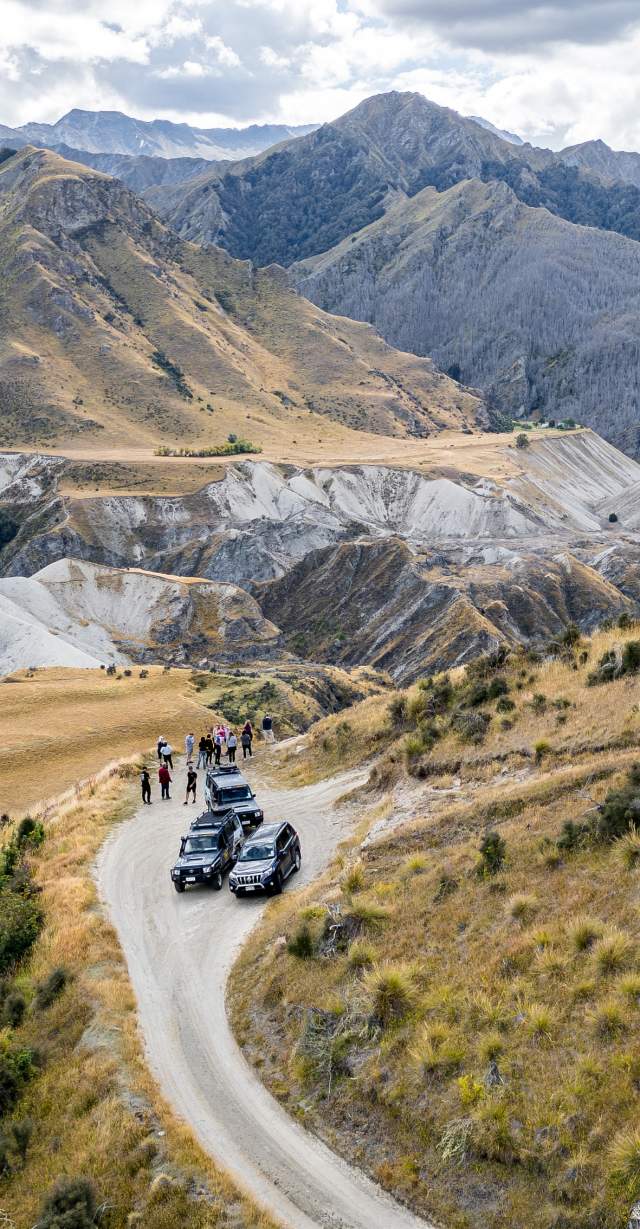
Start by deciding what kind of New Zealand trip you want
Before searching for hotels or flights, decide what you actually want from the trip.
New Zealand works particularly well for travellers interested in:
- Scenic road trips
- Mountains and national parks
- Hiking and walking
- Māori culture and history
- Beaches and coastal scenery
- Geothermal landscapes
- Wildlife
- Food and wine
- Adventure activities
- Skiing and winter travel
- Relaxed sightseeing
- Family holidays
You do not need to choose just one. But identifying your top two or three priorities makes itinerary planning much easier.
For example, a traveller interested mainly in mountains, hiking and dramatic scenery may get more from the South Island than trying to divide a short holiday equally between both islands.
Someone interested in Māori culture, geothermal areas, beaches and volcanic landscapes may prefer to concentrate more time in the North Island.
A useful first-trip rule
Plan around experiences, not a checklist of cities.
Instead of saying:
Auckland → Rotorua → Wellington → Christchurch → Queenstown → Milford Sound → Auckland
ask:
What are the three to five experiences I would regret missing?
That small change can prevent an exhausting itinerary.
Decide how long to spend in New Zealand
There is no single ideal trip length, but the number of days you have should determine how ambitious your route is.
5–7 days
A week is best treated as a regional trip.
Choose either:
- Part of the North Island
- Part of the South Island
- One major region with a few day trips
Trying to cover both islands in a week can leave you spending too much time in airports, rental cars and accommodation changes.
8–14 days
Two weeks gives you considerably more flexibility.
You can:
- Explore a substantial part of one island
- Combine selected highlights from both islands
- Take a focused road trip
- Include several hiking or adventure days
Tourism New Zealand also groups suggested itineraries into 3–7, 8–14 and 15+ day categories, which is useful when comparing possible routes.
15–21 days
Three weeks is a much more comfortable timeframe for a first visit if you want to experience both islands.
You could, for example:
- Spend several days in the North Island
- Cross to the South Island
- Travel through several South Island regions
- Allow rest days
- Build in weather flexibility
More than three weeks
Longer trips allow you to slow down rather than simply add destinations.
That distinction matters. A longer holiday should not automatically mean a longer list of places. It can mean more nights in fewer places, which often produces a better travel experience.
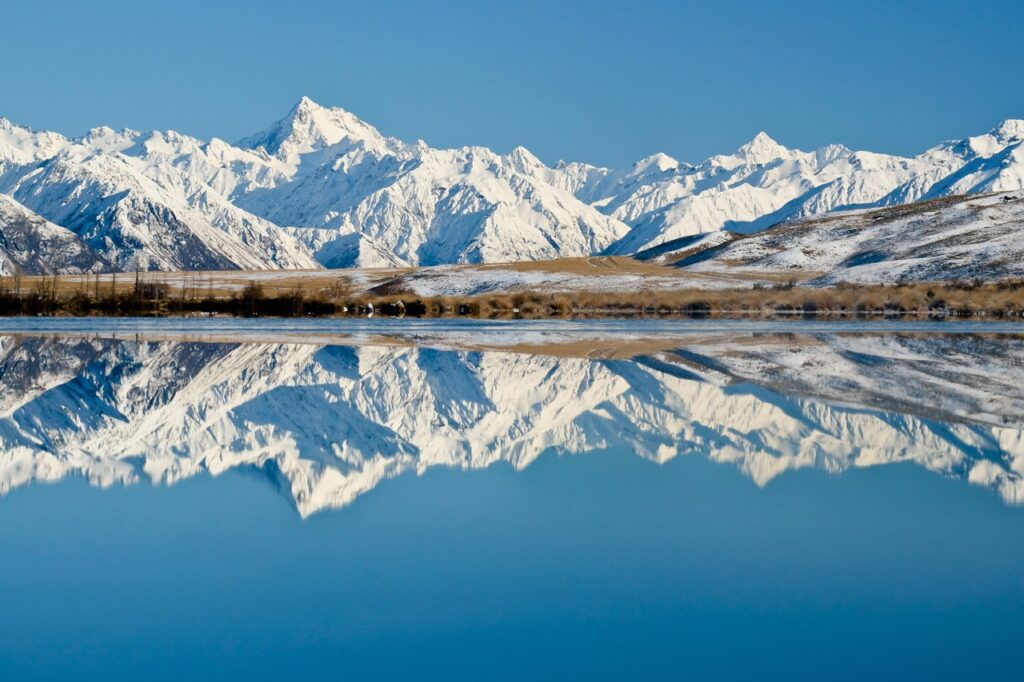
Choose the best time to visit New Zealand
New Zealand has four seasons:
| Season | Months | Generally suited to |
|---|---|---|
| Summer | December–February | Beaches, hiking, outdoor activities, road trips |
| Autumn | March–May | Road trips, hiking, scenery, fewer crowds |
| Winter | June–August | Skiing, snow, alpine scenery, winter activities |
| Spring | September–November | Hiking, gardens, wildlife and shoulder-season travel |
New Zealand’s climate varies significantly by region, from subtropical conditions in the far north to much colder alpine conditions in the south. Summer is generally the busiest travel period, while spring and autumn are shoulder seasons.
Summer: December to February
Summer is attractive for outdoor adventures, long days and generally warmer conditions.
It is also a popular travel period, so accommodation, rental vehicles and popular activities can become more competitive.
Choose summer if you want:
- Longer daylight hours
- Beaches
- Hiking
- Outdoor sightseeing
- A classic road-trip holiday
Book important accommodation and activities earlier if travelling during the busiest periods.
Autumn: March to May
Autumn can be an excellent compromise for first-time visitors.
You can still enjoy outdoor activities while experiencing cooler conditions and seasonal colours. Tourism New Zealand identifies March to May as autumn and notes that long, sunny days can continue into the season.
Winter: June to August
Winter is a very different New Zealand experience.
The South Island can be cold, with snow common in alpine areas. Queenstown and Wānaka become particularly relevant for ski and snow holidays, while winter also offers hot pools, scenic experiences and other non-ski activities.
If you are planning a winter road trip, check road and weather conditions carefully before travelling through alpine areas.
 For detailed routes, driving tips and vehicle advice, see our New Zealand road trip planning guide.
Spring: September to November
Spring brings longer days, changing weather and generally fewer visitors than the main summer season.
It can be a good choice for travellers who want outdoor experiences without planning exclusively around peak summer.
So, when is the best time to visit New Zealand?
There is no universal best month.
Choose based on your priorities:
- Hiking and road trips: spring, summer or autumn
- Skiing: winter
- Warmer beach weather: summer
- Shoulder-season travel: spring or autumn
- Snowy alpine scenery: winter
- Mixed interests: late spring, summer or early autumn can be practical starting points
Always check regional forecasts close to departure because New Zealand weather can vary considerably.
Decide whether to visit the North Island, South Island or both
One of the biggest first-trip planning decisions is whether to split your time between both islands.
North Island
The North Island is a strong choice if you are interested in:
- Auckland
- Māori cultural experiences
- Rotorua and geothermal attractions
- Wellington
- Volcanic landscapes
- Beaches and coastal areas
- Northland
- Hawke’s Bay and wine
- The Coromandel
South Island
The South Island is particularly appealing for travellers interested in:
- Queenstown
- Wānaka
- Aoraki / Mount Cook
- Fiordland
- Milford Sound / Piopiotahi
- Abel Tasman
- Christchurch
- Scenic road trips
- Mountains and alpine landscapes
Both islands
Seeing both is worthwhile if you have enough time.
But remember that crossing between islands is itself part of the journey. You need to account for the transport time rather than treating the islands as if they were adjacent neighbourhoods.
A simple decision
<blockquote>
If you have about a week, concentrate
on one area.
If you have around two weeks, choose either one island in depth or a carefully selected combinat
ion of both.
If you have three weeks or more, combining both islands becomes
much easier.
The biggest mistake is not choosing the “wrong” island. It is trying to fit too much into too little time.
Build your itinerary around a logical route
Once you know your dates and preferred regions, map your trip geographically.
A good itinerary generally avoids unnecessary backtracking.
For example, instead of:
Auckland → Queenstown → Rotorua → Christchurch → Auckland
you could structure the trip around a continuous regional journey.
Example: 10-day South Island itinerary
A first-time traveller might consider a structure such as:
Day 1: Christchurch
Days 2–3: Aoraki / Mount Cook or nearby alpine region
Days 4–5: Wānaka
Days 6–7: Queenstown
Day 8: Fiordland / Milford Sound area
Day 9: Return toward Queenstown or another southern stop
Day 10: Departure
This is an example of itinerary logic, not a prescription. Actual driving times, weather, accommodation availability and activity schedules should determine the final version.
Example: 10-day North Island itinerary
Another traveller might plan:
Days 1–2: Auckland
Days 3–4: Rotorua
Days 5–6: Central North Island
Days 7–8: Wellington
Days 9–10: Wellington or return journey
Again, the best route depends on your interests.
Tourism New Zealand provides a large collection of suggested itineraries that can be filtered by island, duration and interests, making it useful for generating route ideas before you start booking.
Don’t underestimate New Zealand driving times
This is one of the most important tips for anyone planning a first trip to New Zealand.
A route can look short on a map and still take much longer than expected.
New Zealand roads can be narrow, winding, steep or gravel, and many roads outside major urban areas are two-way roads with one lane in each direction. NZ Transport Agency Waka Kotahi specifically warns visitors that journey times are often longer than they expect.
If you plan to drive
Remember:
- New Zealand drives on the left-hand side.
- Keep your licence with you.
- If your overseas licence is not in English, you need an accurate English translation or an International Driving Permit where required.
- Allow extra time for winding and mountainous roads.
- Take regular breaks.
- Avoid planning very long drives immediately after an international flight.
- Check weather and road conditions before major journeys.
There is also an important current rule change to note: as of August 2026, visitors can currently drive using an overseas car licence for up to 18 months, but from 1 November 2026 the limit will reduce to 12 months from the day of last arrival in New Zealand.
Check the latest NZ Transport Agency guidance before your trip because driving rules can change.
Choose between a rental car, campervan, bus, domestic flights or tours
New Zealand does not require every traveller to rent a car.
Your transport choice should match your itinerary.
| Transport | Best for | Main advantage | Main drawback |
|---|---|---|---|
| Rental car | Couples, families, flexible road trips | Freedom | Driving responsibility |
| Campervan | Long road trips and camping | Combines transport and accommodation | Larger vehicle and camping rules |
| Domestic flights | Long distances or short trips | Saves time | Less scenic travel time |
| Intercity buses | Budget travellers | No driving required | Less flexibility |
| Guided tours | Beginners or travellers without cars | Simple logistics | Less independence |
| Rail/ferry combinations | Scenic journeys | Experience-focused travel | Not a complete nationwide network |
Tourism New Zealand lists domestic flights, rental vehicles, motorhomes, buses and other transport options for travelling around the country.
Rental car
A rental car is often the simplest option for travellers who want flexibility without managing a larger campervan.
It works particularly well when:
- You are travelling as a couple or family.
- You want accommodation rather than vehicle-based camping.
- You are comfortable driving on the left.
- Your itinerary includes rural areas.
Campervan
A campervan can be attractive for a longer road trip, but do not assume that having a campervan means you can simply park anywhere overnight.
Freedom-camping rules vary by location. DOC states that freedom camping may be prohibited or restricted, and areas with restrictions can require a certified self-contained vehicle. Since 7 June 2026, the current self-containment requirements include the new certification system, and portable toilets no longer qualify a vehicle as self-contained under those requirements.
If you choose a campervan:
- Check where overnight camping is legally permitted.
- Check whether self-containment certification is required.
- Book campsites where necessary.
- Never assume a scenic car park is an overnight camping area.
- Have a backup campsite for busy periods.
Domestic flights
Flying between regions can make sense when you have limited time.
For example, rather than spending a large portion of a short holiday driving between distant regions, a domestic flight can preserve time for sightseeing.
The trade-off is that you miss some of the scenery between destinations.
Book your accommodation strategically
Do not necessarily book every night before you know your route.
A better approach is to separate accommodation into three categories.
Book early
Book ahead when you have:
- Peak-season travel
- A popular national park destination
- A major event
- A limited-choice lodge
- A Great Walk
- A highly specific room type
- A fixed activity requiring you to be in a particular location
Book moderately early
For normal hotels, motels, holiday parks and guest accommodation, booking ahead is sensible once your route is confirmed.
Leave flexibility
If you are travelling in a quieter period and prefer spontaneity, leaving some nights flexible can make it easier to change plans when the weather changes.
The key is not maximum advance booking. It is booking the parts of your itinerary where flexibility is least valuable.
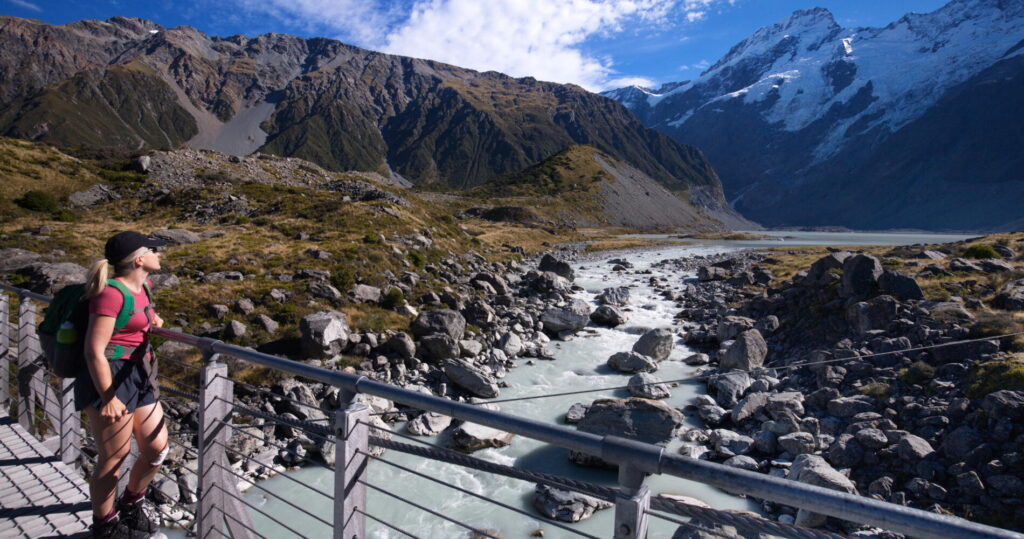
Reserve popular hikes and activities early
Outdoor experiences can be the part of a New Zealand trip that requires the most advance planning.
This is particularly true for Great Walks.
The Department of Conservation’s 2026/27 booking schedule shows that Great Walk bookings open on staggered dates and that demand can be high. DOC has also noted that some popular Great Walk huts were close to capacity during peak periods.
If a specific hike is central to your holiday:
- Check the official DOC page.
- Confirm the operating season.
- Check whether bookings are required.
- Check transport to and from the track.
- Book accommodation or huts.
- Have a backup plan for poor weather.
Do not build an entire holiday around an outdoor activity without checking whether the route is suitable for your experience and the expected conditions.
Check New Zealand entry requirements before booking non-refundable travel
Entry requirements depend on your passport, travel circumstances and purpose of travel.
Most visitors need either an appropriate New Zealand visa or an NZeTA, although there are exceptions. Travellers from visa-waiver countries generally need an NZeTA rather than applying for a visitor visa before travel, while some travellers do not need an NZeTA because they hold another qualifying status.
The NZeTA is not the same thing as a visa. Immigration New Zealand currently states that an NZeTA can be valid for two years for travellers and allows eligible visitors to travel without first applying for a visa.
Your pre-booking entry checklist
Before paying for non-refundable flights, check:
- Passport validity requirements
- Whether you need a visa
- Whether you need an NZeTA
- Whether your nationality is covered by visa-waiver arrangements
- Your permitted length of stay
- Transit requirements for connecting countries
- Any health-related travel advice
- Travel insurance requirements from your providers
Use Immigration New Zealand’s official eligibility checker rather than relying on an old travel blog or a social-media post.
Complete the New Zealand Traveller Declaration
Every traveller entering New Zealand must complete a New Zealand Traveller Declaration (NZTD), including children and New Zealand passport holders.

The NZTD collects travel, customs, immigration and biosecurity information. It is free, and air travellers can complete it digitally before travelling. The earliest submission time for air travellers is currently 24 hours before beginning the trip to New Zealand.
This is one of those small administrative steps that is easy to forget when planning a holiday months in advance.
Put it on your final pre-departure checklist.
Take New Zealand biosecurity seriously
New Zealand has strict biosecurity rules because introduced pests and diseases can damage agriculture, the environment and the economy.
If you are carrying food, plants, animal products or other risk items, you must declare them where required.
Examples of items that may need declaration include:
- Food
- Fruit and vegetables
- Meat
- Fish
- Poultry
- Honey
- Dairy products
- Plants
- Animal products
- Camping equipment
- Used outdoor equipment such as certain hiking or sporting gear
Customs and MPI guidance makes clear that travellers should declare risk items if they are unsure. Some items may be prohibited or require further action.
A useful packing habit
Before packing your hiking boots, tent, camping equipment or outdoor gear, clean off soil, seeds and organic material.
If you are unsure whether something needs to be declared, declare it.
It is much better to ask than to guess.
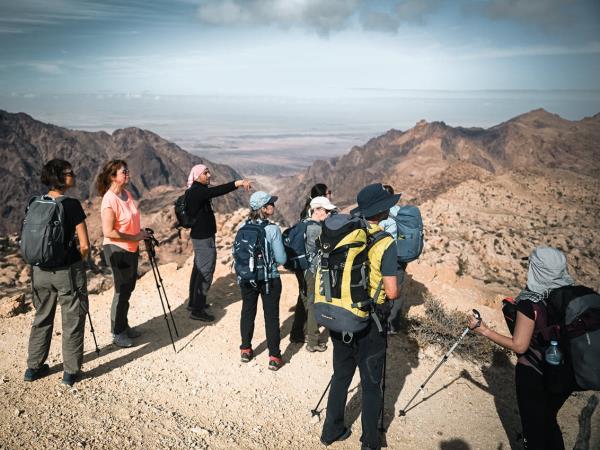
Plan your budget by category, not just by daily spending
New Zealand trip costs can vary enormously depending on your travel style, season, accommodation and transport.
Instead of asking, “How much does a New Zealand trip cost?” build a personal budget using categories.
Your main categories
| Category | What to include |
|---|---|
| International flights | Return flights and baggage |
| Entry costs | Visa/NZeTA-related costs where applicable |
| Accommodation | Hotels, motels, lodges, holiday parks |
| Transport | Rental car, fuel, flights, buses, ferries |
| Food | Restaurants, cafés, supermarkets |
| Activities | Tours, cruises, attractions, adventure activities |
| Outdoor costs | Huts, campsites, equipment |
| Insurance | Travel insurance |
| Connectivity | eSIM/SIM or mobile roaming |
| Emergency buffer | Unexpected transport, accommodation or medical costs |
Where beginners often underestimate costs
A traveller may budget for the rental car but forget:
- Fuel
- Insurance excess
- Parking
- Tolls where applicable
- Ferry costs
- One-way rental charges
- Additional drivers
- Activity transfers
Similarly, a campervan budget should consider campsite fees, vehicle insurance, fuel and other charges rather than looking only at the advertised daily rental rate.
Tourism New Zealand notes that campervan rates vary by season and vehicle type, and that insurance and other costs may sit outside the basic rental rate.
Buy travel insurance before the trip, not after a problem occurs
Travel insurance is worth considering for an international trip to New Zealand, especially when your holiday includes flights, rental vehicles, expensive activities or non-refundable accommodation.
Look carefully at:
- Medical cover
- Trip cancellation
- Travel interruption
- Baggage cover
- Rental vehicle excess
- Adventure-activity exclusions
- Pre-existing-condition rules
- Natural-disaster or weather-related provisions
- Claim documentation requirements
Do not assume that “adventure activities” are automatically covered.
If you are planning skiing, hiking, kayaking, diving or other activities, read the policy wording rather than relying on a headline summary.
Plan your arrival day carefully
Your first day in New Zealand should be deliberately easy.
After a long international flight, avoid immediately planning:
- A huge driving day
- A demanding hike
- Multiple domestic connections with no backup
- A tightly timed tour
- A complicated self-drive route
A better arrival day might look like:
Airport → accommodation → food → short walk → early night
This gives you time to recover from jet lag and deal with unexpected flight delays.
If you do rent a car after arriving, remember that fatigue is a genuine road-safety issue. NZ Transport Agency advises visitors to rest before driving and to take breaks during journeys.
Pack for changing weather
Do not pack only for the average temperature.
Pack for conditions.
A practical New Zealand packing list includes:
Clothing
- Lightweight layers
- Warm mid-layer
- Waterproof jacket
- Comfortable walking shoes
- Warm socks
- Sun protection
- Clothing appropriate to your season and destinations
Travel essentials
- Passport
- Required visa/NZeTA documentation
- Travel insurance details
- Driver licence
- Translation or IDP if required
- Bank cards
- Phone and charger
- Travel adapter appropriate to New Zealand
- Reusable water bottle
Outdoor essentials
Depending on your itinerary:
- Daypack
- Rain protection
- Warm layers
- Sun hat
- Sunscreen
- Basic first-aid supplies
- Offline maps
- Appropriate hiking equipment
For outdoor trips, the Department of Conservation recommends choosing a trip suited to your ability, checking the weather, carrying warm clothing and extra food, and sharing your plans with someone.
Download useful information before leaving home
Do not assume you will always have reliable mobile coverage.
Before departure, save or download:
- Accommodation addresses
- Booking confirmations
- Offline maps
- Rental-car information
- Flight details
- Important phone numbers
- Travel insurance documents
- Walking-route information
- Emergency contacts
If you are heading into rural or mountainous areas, download the relevant information before leaving the city.
Use a simple New Zealand trip-planning timeline
A timeline helps prevent the trip from becoming a last-minute collection of bookings.
6–12 months before
Depending on your destination and travel season:
- Choose approximate dates.
- Decide whether to visit one island or both.
- Research international flights.
- Check passport and entry requirements.
- Establish a rough budget.
- Identify major experiences.
3–6 months before
- Book flights if appropriate.
- Finalise the broad route.
- Reserve popular accommodation.
- Book major tours and activities.
- Arrange rental vehicles if needed.
- Check Great Walk or DOC booking dates.
1–3 months before
- Confirm accommodation.
- Check domestic flights or ferries.
- Review driving requirements.
- Purchase travel insurance.
- Plan day trips.
- Check seasonal clothing requirements.
1–2 weeks before
- Check weather forecasts.
- Confirm bookings.
- Download maps.
- Complete the NZTD when it becomes available for your journey.
- Clean outdoor equipment.
- Check baggage allowances.
- Save digital copies of important documents.
The day before
- Charge devices.
- Keep passports and documents accessible.
- Confirm airport and transfer arrangements.
- Check your first-day accommodation.
- Make sure you know how you will reach your accommodation after landing.
Avoid these common first-trip mistakes
1. Trying to see everything
New Zealand may look compact compared with some countries, but road travel can take longer than expected.
Better: choose fewer destinations and enjoy them properly.
2. Treating driving distances as simple map distances
A 200-kilometre route does not automatically mean a two-hour journey.
Better: use a reliable journey planner and allow time for roads, hills, stops and scenery.
3. Booking every night before understanding the route
This can make the trip difficult to change.
Better: lock in essential bookings first, then build the rest around them.
4. Forgetting the seasons are reversed
If you live in the Northern Hemisphere, December is summer in New Zealand and July is winter.
Better: check the actual New Zealand season before packing.
5. Assuming a campervan can camp anywhere
Freedom camping is regulated and location-specific.
Better: check official rules and use legal campsites or permitted locations.
6. Bringing food without checking biosecurity rules
Even ordinary food can create problems at the border.
Better: check the rules and declare anything that may be a risk item.
7. Planning a demanding activity immediately after arrival
Jet lag plus unfamiliar roads is a poor combination.
Better: keep your first day light.
8. Ignoring weather when planning outdoor activities
A beautiful forecast can change quickly in mountainous areas.
Better: check conditions shortly before setting out and have an alternative plan. DOC specifically advises visitors to understand the weather and change plans when necessary.
A simple first-time New Zealand planning checklist
Use this as your master checklist:
Before booking
- Decide your travel dates
- Choose your main interests
- Decide how many days you have
- Choose North Island, South Island or both
- Estimate your budget
- Check passport requirements
- Check visa/NZeTA requirements
Read our first-time international travel checklist to make sure you have all documents, insurance and packing essentials ready before your trip.
After booking flights
- Create a broad itinerary
- Choose transport
- Book key accommodation
- Book popular activities
- Check Great Walk availability if relevant
- Arrange travel insurance
- Arrange rental vehicle if required
Before departure
- Check weather
- Complete NZTD when eligible
- Check baggage rules
- Clean hiking/camping equipment
- Download maps
- Save booking confirmations
- Prepare travel documents
- Check driving requirements
- Prepare suitable clothing
When you arrive
- Complete border and biosecurity procedures
- Collect luggage
- Follow your airport transfer or rental-car plan
- Avoid excessive driving if tired
- Check the next day’s weather
- Keep your itinerary flexible where possible
How to plan a first trip to New Zealand on a practical example
Imagine you have 14 days, want scenery and outdoor experiences, and have never driven in New Zealand.
Instead of immediately booking 10 hotels, start with five decisions:
1. Choose your season.
Suppose you select autumn because you prefer cooler conditions and shoulder-season travel.
2. Choose your geographic focus.
You decide that the South Island is the priority.
3. Select your transport.
You are comfortable driving, so you consider a rental car.
4. Choose your anchor experiences.
You identify Queenstown, Fiordland and an alpine area as priorities.
5. Build the route around those anchors.
Only after those decisions do you add overnight stops.
Your final itinerary might include several nights in Queenstown, time around Fiordland, an alpine region and a final night near your departure airport.
Notice what you did not do:
You did not try to visit every famous attraction.
That is the fundamental principle behind good New Zealand trip planning: choose the experiences first, then make the map serve them.
Where affiliate recommendations can genuinely help
This article is primarily informational, but a few carefully chosen commercial resources can improve the planning process.
Potential affiliate placements include:
Travel insurance
A comparison box can help readers evaluate policies based on medical coverage, cancellation protection and rental-car excess.
eSIM or travel connectivity
Useful for travellers who need navigation, booking access and communication while moving between regions.
Luggage and packing equipment
Packing cubes, weather-resistant daypacks and compact travel accessories are relevant to long-haul travel and road trips.
Rental cars and campervans
A transport comparison can be useful when readers are deciding between self-drive options.
Tours and activities
Activity booking links make sense where a specific experience requires advance reservations.
The important distinction is that these recommendations should support the itinerary rather than interrupt it. A reader searching for trip-planning advice does not need a sales pitch in every section.
Frequently Asked Questions
How many days do you need for a first trip to New Zealand?
Around two weeks is a useful starting point for a first visit because it gives you enough time to explore a substantial region or combine selected highlights from both islands. With only one week, it is usually better to focus on one island or region rather than attempting to cover the entire country.
What is the best month to visit New Zealand for the first time?
There is no single best month. Summer from December to February is popular for outdoor travel, while autumn and spring can offer shoulder-season conditions. Winter is particularly suitable for skiing and snow-based trips. Your preferred activities should determine the season.
Do I need a visa to visit New Zealand?
It depends on your passport and circumstances. Some travellers need a visitor visa, while eligible travellers from visa-waiver countries generally need an NZeTA. Always check the current Immigration New Zealand requirements for your nationality before travelling.
Is it easy to drive around New Zealand?
Self-driving can be an excellent way to explore New Zealand, but visitors should not underestimate journey times. Roads can be narrow, winding and steep, and New Zealand drives on the left. You also need an appropriate current overseas licence or permit and must follow local road rules.
Can I bring food into New Zealand?
Some food can be brought into New Zealand, but food and other risk items must be declared as required. This includes items such as fruit, vegetables, meat, fish, honey and dairy products. If you are unsure, declare the item and let border officials determine whether it can enter.
Should I visit the North Island or South Island first?
Choose based on your interests. The North Island is particularly useful for travellers interested in Māori culture, geothermal areas, Auckland, Wellington and volcanic landscapes. The South Island is especially appealing for mountains, alpine scenery, Fiordland, Queenstown and scenic road trips. If you have enough time, combining both can provide a broader introduction to the country.
Final Takeaway
The best way to plan a trip to New Zealand is not to build the longest possible itinerary. Start with your dates, available time and priorities, then choose a sensible geographic route.
For a first trip, focus on a handful of experiences rather than trying to collect every famous destination. Check entry requirements early, allow more driving time than the map suggests, book genuinely high-demand experiences ahead of time and leave some flexibility for weather.
Most importantly, treat New Zealand as a country to experience at a comfortable pace, not a list of places to tick off.
SOURCES
- Immigration New Zealand — What you need to visit New Zealand
Immigration New Zealand: What you need to visit New Zealand
Supports: Visa, NZeTA and entry-requirement guidance. - Immigration New Zealand — Visa waiver countries and territories
Immigration New Zealand: Visa waiver countries and territories
Supports: Visa-waiver and NZeTA information. - New Zealand Traveller Declaration
New Zealand Traveller Declaration: About the NZTD
Supports: NZTD requirements, timing and digital declaration information. - New Zealand Customs Service — Food and other risk items
New Zealand Customs: Food and other risk items
Supports: Biosecurity, food and risk-item declaration information. - NZ Transport Agency Waka Kotahi — Visiting New Zealand
NZ Transport Agency: Visiting New Zealand
Supports: Driving on the left, journey times, overseas licences and road-safety guidance. - Department of Conservation — Land Safety Code
Department of Conservation: Land Safety Code
Supports: Outdoor safety, weather preparation, trip planning and sharing intentions. - Department of Conservation — Online bookings
Department of Conservation: Great Walk, hut and campsite bookings
Supports: Great Walk and DOC accommodation booking information. - Department of Conservation — Freedom camping
Department of Conservation: Freedom camping rules
Supports: Current freedom-camping and self-contained vehicle requirements. - Tourism New Zealand — Seasons in New Zealand
100% Pure New Zealand: Seasons in New Zealand
Supports: New Zealand seasons, climate and seasonal travel planning. - Tourism New Zealand — Travelling around New Zealand
100% Pure New Zealand: Travelling around New Zealand
Supports: Domestic flights, rental vehicles, buses and transport choices.