

Maintaining a clean and hygienic environment is one of the highest priorities in aged care. Residents in care facilities may be more vulnerable to infections, making effective hygiene practices essential for protecting their health, comfort, and wellbeing.
One simple but highly effective improvement many aged care facilities are adopting is the use of touch-free soap and sanitiser dispensers. These modern hygiene solutions help reduce the spread of germs, improve hand hygiene compliance, and provide a safer experience for residents, visitors, and staff.
From automatic soap dispensers in bathrooms to touchless hand sanitiser stations in common areas, these systems support a cleaner and more convenient environment where hygiene is easier to maintain.
 For a broader overview, learn more about touch-free soap and sanitiser dispensers and how they support better hygiene.
What Are Touch-Free Soap and Sanitiser Dispensers?
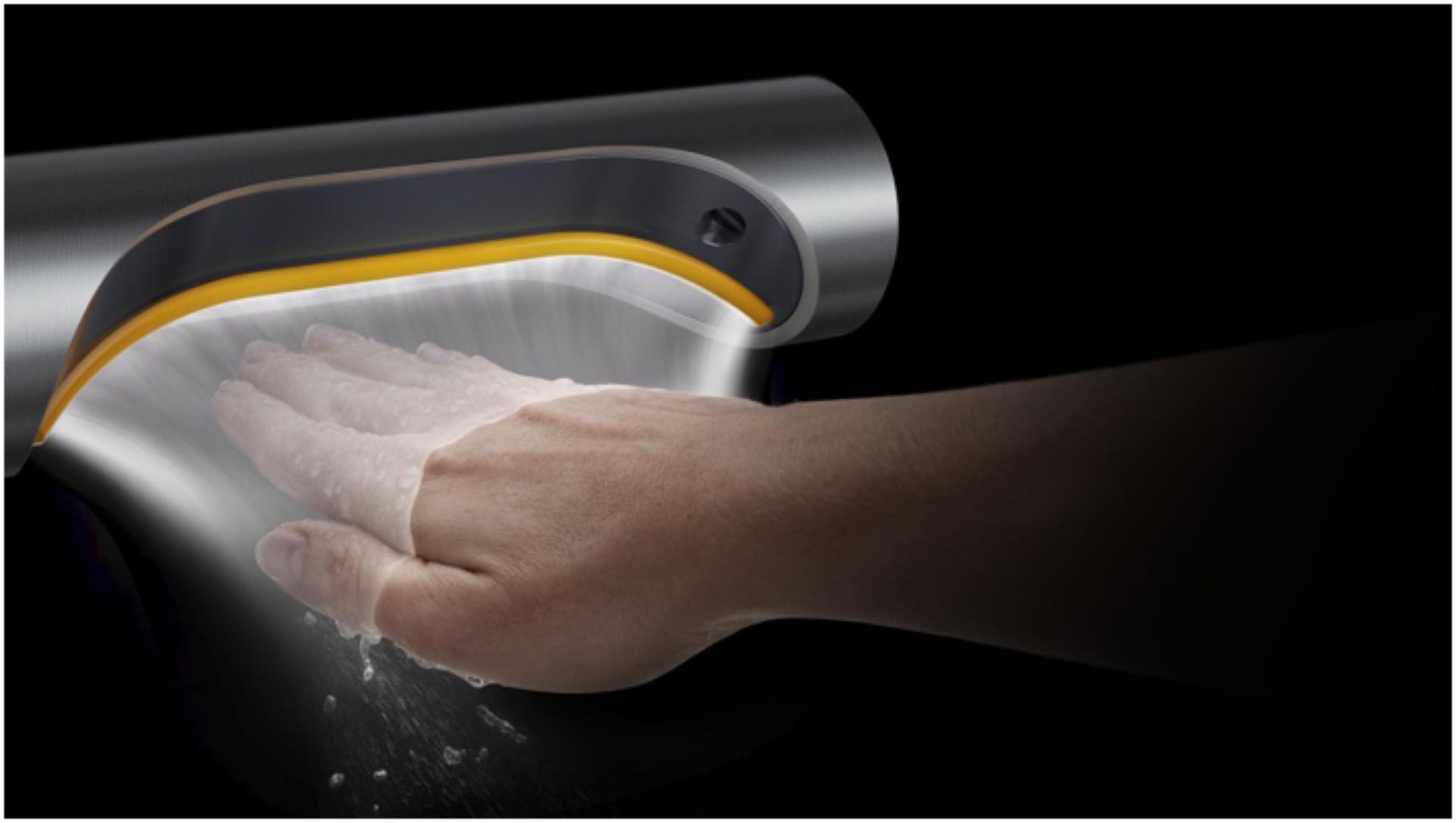
Touch-free dispensers are automated hygiene devices that release soap, hand sanitiser, or disinfectant without requiring users to touch the unit.
Using motion sensor technology, these dispensers detect when a person’s hands are positioned underneath the unit and automatically dispense the required amount of product.
Common examples include:
- Automatic soap dispensers in resident bathrooms
- Touch-free hand sanitiser dispensers near entrances and shared areas
- Sensor-based disinfectant dispensers in high-traffic locations
- Automated paper towel dispensers in washrooms
Unlike traditional pump dispensers, touchless systems reduce physical contact points and support better infection control practices.
Why Are Touch-Free Dispensers Important in Aged Care?
Aged care environments involve many shared spaces, frequent interactions, and residents who may require additional support with daily activities. This makes effective hygiene management especially important.
Here are some key benefits of using touch-free dispensers for soap, sanitiser, and paper towels in washrooms for improved hygiene and user convenience.
1. Reduces the Spread of Germs and Cross-Contamination
Traditional soap pumps and dispensers are touched repeatedly throughout the day by multiple people. These frequently touched surfaces can become points where bacteria and viruses may spread.
A touch free hand sanitizer dispenser eliminates the need for users to press buttons or handles, helping reduce unnecessary contact between people and shared surfaces.
For aged care facilities, this provides an additional layer of protection alongside regular cleaning, handwashing practices, and infection prevention procedures.
These systems can complement established infection prevention in aged care practices by reducing unnecessary contact with shared surfaces.
2. Encourages Better Hand Hygiene Practices
One of the biggest challenges in maintaining hygiene is ensuring that people consistently clean their hands at the right times.
Touchless dispensers make hand hygiene quick, simple, and convenient. When sanitiser stations are placed in accessible locations, residents, staff, and visitors are more likely to use them regularly.
Strategically positioned dispensers can be installed near:
- Facility entrances
- Dining areas
- Activity rooms
- Reception areas
- Resident common spaces
- Healthcare and treatment areas
Easy access encourages stronger hygiene habits throughout the facility.
Improving hand hygiene in aged care is an important step towards creating safer environments for residents, visitors and staff.
3. Improves Convenience for Residents and Visitors
Many aged care residents have limited mobility or may experience difficulties using traditional dispensers. A sensor soap dispenser requires minimal effort because users only need to place their hands underneath the unit.
This makes hygiene facilities more accessible for:
- Older adults
- People with reduced hand strength
- Residents with mobility challenges
- Visitors of all ages
A simple and user-friendly design can make everyday hygiene routines more comfortable.
4. Supports Infection Prevention Programs
Infection prevention is a critical part of aged care operations. Facilities need reliable solutions that help minimise avoidable health risks.
Touchless dispensers complement existing infection control strategies by reducing shared contact points and supporting consistent sanitisation practices.
When combined with:
- Regular cleaning schedules
- Staff hygiene training
- Proper handwashing procedures
- Safe waste management
touch-free technology can contribute to a safer care environment.
5. Provides Controlled Product Usage
Automatic dispensers release a measured amount of soap or sanitiser with each use. This helps prevent excessive product waste while ensuring users receive an appropriate quantity.
Benefits include:
- Reduced wastage
- Lower refill frequency
- Better cost control
- More consistent hygiene outcomes
For larger aged care facilities, efficient product management can make daily operations easier.
6. Creates a More Professional and Welcoming Environment
The appearance of hygiene facilities can influence how residents and visitors perceive a care environment.
Modern hand sanitiser dispensers and automatic soap systems create a cleaner, more organised appearance compared with older manual dispensers.
Visible hygiene solutions also demonstrate that a facility prioritises:
- Resident safety
- Cleanliness
- Infection prevention
- Quality care standards
Where Should Touchless Dispensers Be Installed in Aged Care Facilities?
To maximise effectiveness, touch-free hygiene stations should be placed in areas with frequent movement and interaction.
Care facilities should consider where to place hand sanitiser dispensers to make them easy to access throughout the day.
Recommended locations include:
Facility Entrances
Visitors and staff can sanitise their hands immediately when entering the building.
Dining Areas
Food service spaces require strong hygiene practices to help maintain resident safety.
Shared Lounges and Activity Areas
High-use communal spaces benefit from easily accessible sanitising stations.
Resident Bathrooms
Automatic soap dispensers can improve hygiene while reducing contact with shared surfaces.
Staff Areas
Team members can maintain better hand hygiene throughout their daily responsibilities.
Choosing the Right Touch-Free Hand Sanitiser Dispenser
When selecting equipment, it is worth comparing automatic vs manual soap dispensers to determine which option best suits the facility.
When selecting a dispenser for an aged care environment, consider:
Ease of Use
The system should be simple for residents, visitors, and staff to operate.
Reliability
A quality dispenser should provide consistent performance with minimal maintenance.
Refill Capacity
Larger capacity options can reduce the frequency of refilling in busy areas.
Accessibility
The dispenser should be positioned at a suitable height and location for all users.
Facilities should also consider accessible touchless hygiene solutions for residents with limited mobility or hand strength.
Easy Maintenance
Facilities benefit from systems that are simple to clean, refill, and monitor.
Regular automatic dispenser maintenance helps keep touch-free hygiene systems reliable and ready for use.
How Touch-Free Hygiene Technology Supports Better Care
Technology plays an increasing role in improving safety and efficiency within aged care. While automated dispensers are a small addition, they can have a meaningful impact when incorporated into a wider hygiene strategy.
By reducing unnecessary touchpoints and making hygiene easier, touch-free dispensers support an environment where residents feel safer and staff can maintain high cleanliness standards.
Frequently Asked Questions
Are touch-free soap dispensers more hygienic than manual dispensers?
Yes. Touch-free dispensers reduce the number of surfaces users need to touch, which can help lower the risk of cross-contamination.
Are touchless hand sanitiser dispensers suitable for aged care facilities?
Yes. They are particularly useful in aged care because they provide easy access to hand sanitiser while supporting infection prevention practices.
Do automatic dispensers require a lot of maintenance?
Most modern dispensers are designed for simple maintenance, including easy refilling, cleaning, and routine checks.
Where should hand sanitiser dispensers be placed in an aged care facility?
They are most effective in high-traffic areas such as entrances, dining rooms, shared spaces, and staff areas.
Conclusion
Touch-free soap and sanitiser dispensers are an effective way for aged care facilities to strengthen hygiene practices and create safer environments for residents, visitors, and staff.
By reducing shared touchpoints, improving convenience, and encouraging regular hand hygiene, these systems provide a practical solution for modern care facilities.
Investing in touch-free hygiene technology is not only about cleanliness—it is about creating a healthier, safer, and more comfortable environment for everyone.