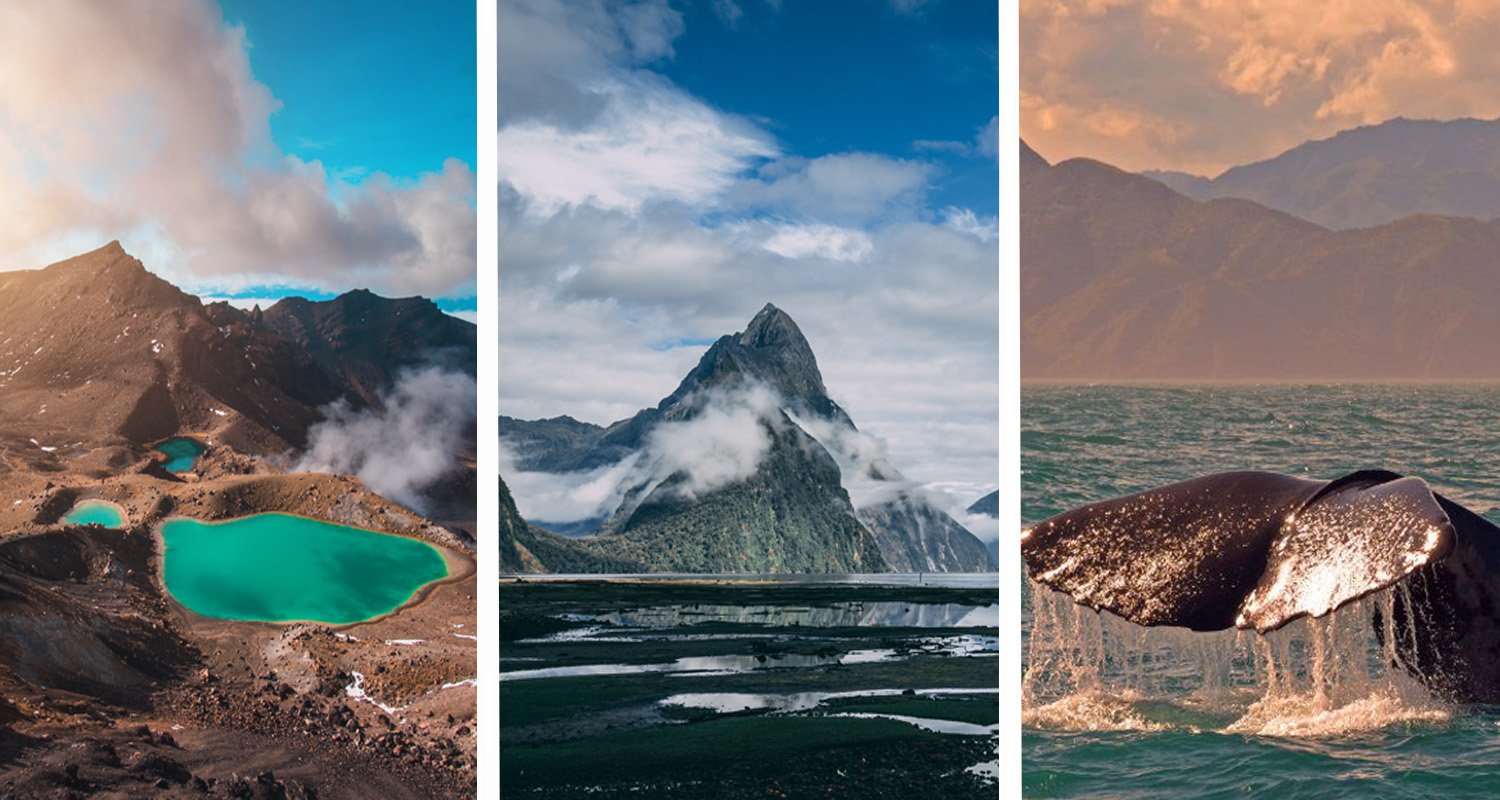

If you are wondering how many days you need in New Zealand, the short answer is at least 10–14 days for a first trip if you want to see several major highlights without spending most of your holiday travelling between them.
A 7-day trip can work well if you concentrate on one island or a small region. 10 days gives you enough time for a focused highlights itinerary, while 14 days is a much better starting point for travellers hoping to experience both the North and South Islands. If you have 3 weeks or more, you can slow the pace and include more smaller towns, walks and scenic detours.

New Zealand is deceptively large from a traveller’s perspective. Road distances can look manageable on a map, but many roads are narrow, winding and hilly, so journeys can take longer than expected. Tourism New Zealand itself groups itineraries into 3–7, 8–14 and 15+ day ranges, reflecting how differently the country can be experienced at different trip lengths.
 Read our New Zealand travel planning guide for more details on transport, seasons and accommodation planning.
So, how many days should you spend in New Zealand?
For most first-time visitors, 14 days is the best overall target.
Here is a practical guide:
| Trip length | Best for | What you can realistically do |
|---|---|---|
| 5–7 days | One-island or regional trip | Explore one main area without rushing |
| 8–10 days | Focused first visit | See several major destinations on one island or combine selected cities by air |
| 12–14 days | Most first-time visitors | Experience highlights from both islands with sensible pacing |
| 15–21 days | Deeper first trip | Combine both islands with more scenic stops and activities |
| 3–4+ weeks | Slow travel | Explore widely, add hiking, smaller towns and flexible days |
There is no single correct number. Your ideal trip length depends on whether you want cities, hiking, wildlife, road trips, Māori culture, geothermal attractions, beaches, mountains or a mixture of everything.
For a first visit, however, two weeks gives you the most useful balance between seeing a lot and actually enjoying where you stop.
How many days do you need for a first trip to New Zealand?
If this is your first visit, use your available time to decide how much of the country you should attempt, rather than trying to fit everything into the itinerary.
7 days: Choose one main area
Seven days is enough for a rewarding New Zealand holiday, but it is usually too short to properly explore both islands.
For example, you could spend a week exploring the North Island around:
- Auckland
- Waitomo
- Rotorua
- Taupō
- Wellington
Alternatively, focus on the South Island with destinations such as:
- Christchurch
- Aoraki / Mount Cook
- Wānaka
- Queenstown
A one-island itinerary also reduces the amount of time spent packing, changing accommodation and travelling between destinations.
Best choice: Stay on one island and choose a compact route.
10 days: A good short first trip
Ten days gives you more flexibility, particularly if you use domestic flights to avoid long road journeys.
Tourism New Zealand publishes several 10-day itineraries, including routes through the North Island and South Island. One South Island example covers Christchurch, Arthur’s Pass, the West Coast, Queenstown and Milford Sound over 10 days, illustrating how much scenery can be included while remaining focused on one island.
A 10-day holiday can also work for travellers who want a taste of both islands. Tourism New Zealand has a 10-day city itinerary connecting Auckland, Wellington, Christchurch and Queenstown using domestic flights.
Best choice: Prioritise your top three or four destinations rather than trying to cover every famous attraction.
14 days: The sweet spot for many first-time visitors
For travellers asking how many days do you need for New Zealand first trip, 14 days is often the most practical answer.
Two weeks allows you to combine major North and South Island highlights without making every day a travel day.
A possible structure might look like:
Days 1–3: Auckland and nearby attractions
Days 4–5: Rotorua or Taupō
Days 6–7: Wellington
Days 8–9: Travel to the South Island and explore Christchurch or the surrounding region
Days 10–11: Aoraki / Mount Cook
Days 12–13: Wānaka and/or Queenstown
Day 14: Queenstown or departure
This is only a framework. Travellers interested in hiking, wine, wildlife or scenery may want to remove cities and spend longer in rural areas.
Tourism New Zealand also provides a 14-day Auckland-to-Queenstown itinerary incorporating Rotorua, Wellington, Christchurch and the South Island, demonstrating that a two-week trip can connect major highlights across the country.
Best choice: First-time visitors who want a genuine taste of both islands.
Is 3 weeks enough to see New Zealand?
Yes. Three weeks is considerably more comfortable than two weeks if you want to experience both islands.
With around 21 days, you can reduce the number of long driving days and add extra nights in places that deserve more than a quick stop.
A three-week itinerary could include:
North Island
- Auckland
- Waitomo
- Rotorua
- Taupō
- Wellington
South Island
- Nelson or the Marlborough region
- West Coast
- Aoraki / Mount Cook
- Wānaka
- Queenstown
- Fiordland / Milford Sound
You do not have to visit all of these. In fact, removing one or two stops can make the trip considerably more enjoyable.
Tourism New Zealand lists dedicated itineraries of 15 days or more and includes three-week routes, reinforcing that longer trips are particularly useful for travellers wanting a broader New Zealand experience.
Best choice: Travellers who want scenery, hiking, road trips and multiple regions without constantly changing hotels.
Should you visit the North Island, South Island or both?
This is one of the biggest decisions affecting how many days you need.
Choose the North Island if you have 5–8 days
The North Island is a strong choice if you are interested in:
- Māori culture
- Geothermal areas
- Volcanoes
- Auckland
- Wellington
- Beaches
- Food and wine
- Shorter regional road trips
Rotorua is particularly useful for travellers interested in geothermal landscapes and Māori cultural experiences.
Choose the South Island if you have 5–10 days
The South Island is a natural choice for travellers prioritising:
- Mountains
- Lakes
- Glaciers
- Scenic drives
- Hiking
- Queenstown
- Fiordland
- Aoraki / Mount Cook
Tourism New Zealand currently lists dozens of South Island itineraries across different trip lengths and interests.
Visit both islands if you have around 12–14+ days
Both islands are worth visiting, but crossing between them adds transport time.
You can travel between the islands by ferry, while domestic flights can make a short holiday more efficient. Tourism New Zealand notes both options when planning travel between the North and South Islands.
Simple rule: If you have less than 10 days, consider staying on one island. With around two weeks, combining both becomes more realistic.
Why New Zealand road trips can take longer than expected
One of the easiest mistakes for first-time visitors is planning driving times based purely on distance.
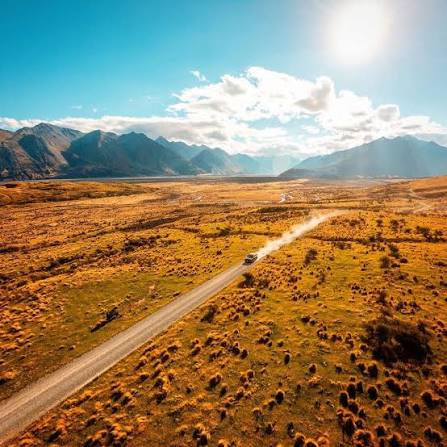
New Zealand drives on the left-hand side of the road, and many rural roads are narrow, winding and hilly. Some roads are unsealed, and weather can also affect journey times.
That means a journey that looks short on a map may take much longer once you account for:
- Curving mountain roads
- Hills and steep sections
- Roadworks
- Weather
- Traffic
- Scenic stops
- Meal and fuel breaks
- Fatigue
Tourism New Zealand specifically advises allowing extra time because its travel-time estimates do not account for stops, windy roads, heavy traffic or weather conditions.
A better way to plan your driving days
Instead of asking:
“How many kilometres can we drive today?”
ask:
“How much time will we have left to enjoy the destination?”
For a holiday, spending six hours driving followed by a late arrival can be less rewarding than adding an overnight stop and turning the journey into part of the experience.
How to choose your ideal New Zealand trip length
See our New Zealand road trip itinerary for detailed driving routes and day-by-day planning ideas.
Use this simple decision process.
Step 1: Count your actual holiday days
Do not automatically count your international travel days as full sightseeing days.
If you arrive late in the evening, your first day may mainly involve immigration, baggage collection, transport and checking into accommodation.
Likewise, an early departure can make your final day almost entirely a travel day.
Step 2: Decide whether you want one island or both
If you have only one week, choose one.
If you have two weeks, compare the attractions you most want to see on each island before deciding whether crossing between them is worthwhile.
Step 3: Pick three to five priority experiences
For example:
- Milford Sound
- Aoraki / Mount Cook
- Rotorua
- Wellington
- Queenstown
- Hobbiton
- A Great Walk
- Wine regions
- Wildlife experiences
Then build your route around those priorities.
Step 4: Add rest and weather flexibility
Do not fill every day with a tour or long drive.
Weather can affect outdoor activities, scenic flights, hiking and road travel. Having one or two flexible days can protect your itinerary when conditions change.
Step 5: Check the route before booking accommodation
Look at the actual travel times between overnight stops.
The official NZ Transport Agency recommends checking current road and travel information before starting a journey.
Sample New Zealand trip lengths
Here are three simple approaches for first-time travellers.
Option 1: 7-day South Island highlights
Day 1: Christchurch
Day 2: Christchurch to Aoraki / Mount Cook
Day 3: Aoraki / Mount Cook
Day 4: Wānaka
Day 5: Queenstown
Day 6: Milford Sound excursion
Day 7: Queenstown and departure
This works best if mountains and scenery are your priority.
Option 2: 14-day first-trip highlights
Days 1–2: Auckland
Days 3–4: Rotorua
Day 5: Taupō
Days 6–7: Wellington
Day 8: Travel to the South Island
Days 9–10: Christchurch / Aoraki Mount Cook region
Day 11: Wānaka
Days 12–13: Queenstown and Milford Sound
Day 14: Queenstown / departure
The route should be adjusted around your arrival and departure airports.
Option 3: 21-day relaxed trip
With three weeks, give yourself more time in each region rather than simply adding more destinations.
A practical approach is:
Week 1: Auckland, Rotorua, Taupō and Wellington
Week 2: South Island transfer, Christchurch, Aoraki / Mount Cook and Wānaka
Week 3: Queenstown, Fiordland and additional South Island stops
The advantage is not just seeing more places. You have more time for walks, weather changes, spontaneous stops and slower mornings.
Common mistakes when planning a New Zealand itinerary
Trying to see everything
New Zealand rewards slower travel. Adding another destination may look good on an itinerary but can turn an enjoyable holiday into a sequence of check-ins and long drives.
Changing accommodation every night
Moving every day creates extra work. When possible, stay two or three nights in a destination and explore from there.
Underestimating road travel
This is particularly important on scenic South Island routes. Allow time for breaks and unexpected delays rather than planning to arrive at the exact end of a long driving day.
Forgetting international travel fatigue
Long-haul travellers may need a slower first day. A packed schedule immediately after arriving can make the beginning of the holiday unnecessarily tiring.
Booking outdoor activities too tightly
If an experience depends heavily on weather, avoid making it the only possible activity on a particular day.
For popular walking experiences and Department of Conservation facilities, check booking requirements early. DOC says many huts, campsites, lodges and Great Walks use bookings and that availability can be first-come, first-served.
What should you book before travelling?
For a first New Zealand trip, consider arranging the following before departure:
- International flights
- Accommodation in major destinations
- Rental car or major transport
- Popular tours and activities
- Great Walk accommodation where required
- Travel insurance
- Entry documentation
Your entry requirements depend on your passport and circumstances. Many travellers from visa-waiver countries need an NZeTA, while others need a visa. Immigration New Zealand recommends checking your individual requirements before travelling.
Do not rely on an old travel article for visa or entry information because requirements can change.
Frequently Asked Questions
Is 7 days enough for New Zealand?
Yes, but seven days is best treated as a focused regional trip rather than an attempt to see the whole country. Choose either the North Island, South Island or one compact region and minimise long travel days.
Is 10 days enough for a first trip to New Zealand?
Ten days can be enough for a memorable first visit, particularly if you focus on one island or use domestic flights to connect selected destinations. Trying to cover too many places by road can make the trip feel rushed.
Is 14 days enough to visit both islands?
Yes. Fourteen days is a practical minimum for many first-time visitors wanting to experience both islands, provided the itinerary is selective. Focus on a handful of major destinations rather than attempting to cover every famous attraction.
How many days do you need in New Zealand for a road trip?
Around 14–21 days is a good target for a first road trip covering substantial parts of both islands. A shorter trip can work, but you should reduce the number of regions and avoid spending most of your holiday driving.
Is 3 weeks too long for New Zealand?
No. Three weeks gives you more flexibility and can make a major difference to the pace of a New Zealand holiday. It allows more time for hiking, scenic stops, smaller towns and weather-related changes to your plans.
What is the best month to visit New Zealand?
There is no single best month for every traveller. Your ideal timing depends on whether you prioritise summer outdoor activities, hiking, skiing, quieter travel or particular seasonal experiences. Choose your travel season based on your activities first, then build the itinerary around available time.
Final Takeaway
For most people planning their first trip to New Zealand, 14 days is the best all-round target. It gives you enough time to combine selected North and South Island highlights without turning the holiday into a race between destinations.
If you have only 7 days, choose one island or region. With 10 days, create a focused highlights itinerary. With 21 days, slow down, add scenic detours and leave room for weather and spontaneous discoveries.
The most important rule is simple: plan fewer destinations than you think you can fit in. New Zealand’s scenery is part of the journey, and a realistic itinerary leaves enough time to enjoy it.
SOURCES
- Tourism New Zealand — Tourism New Zealand trip and itinerary planner
Supports the use of 3–7, 8–14 and 15+ day itinerary ranges and destination planning. - Tourism New Zealand — Driving in New Zealand
Supports information about left-side driving, road conditions, winding roads and allowing additional travel time. - NZ Transport Agency Waka Kotahi — NZ Transport Agency: Visiting New Zealand
Supports overseas-driver and New Zealand road-safety information. - Tourism New Zealand — New Zealand travel-time and distance calculator
Supports the recommendation to allow additional time for stops, road conditions, traffic and weather. - Immigration New Zealand — Immigration New Zealand visitor requirements
Supports the advice to verify current visa and NZeTA requirements before travel. - Immigration New Zealand — NZeTA – Immigration New Zealand NZeTA information
Supports current NZeTA information and eligibility guidance. - Department of Conservation — Online Bookings – Department of Conservation bookings
Supports information about bookings for Great Walks, huts, campsites and other DOC facilities.