
Introduction
What if one trip could take you from Parisian boulevards and world-famous museums to Mediterranean beaches, Alpine villages, vineyards and charming countryside? That is the appeal of deciding to travel to France.
France remains one of the world’s leading tourism destinations. According to Atout France, the country welcomed approximately 100 million international visitors in 2024, generating around €71 billion in international tourism revenue.
But France is much more than the Eiffel Tower and the Louvre. Depending on your interests, you can explore historic cities, eat regional food, visit castles, hike in the mountains, relax on the coast or spend slow afternoons in village cafés.
This France travel guide explains how to plan your trip, where to go, how to get around, what to budget for and which practical details to check before departure. Whether it is your first European holiday or you are returning for another taste of France, these tips can help you build a smoother itinerary.
Why Travel to France?
France works particularly well for travellers who want variety without constantly crossing international borders.
Paris provides museums, architecture, shopping and iconic landmarks. Normandy offers dramatic coastline and historic sites, while the Loire Valley is known for grand châteaux. Provence combines villages, markets and Mediterranean landscapes, and the French Alps attract visitors looking for hiking and winter sports.
The official French tourism organisation also highlights the country’s broad mix of cultural, heritage, outdoor and sustainable travel experiences.
Food is another major reason people travel to France. Regional specialities vary considerably, so eating in Lyon is a different experience from dining in Nice, Bordeaux or Strasbourg. Instead of trying to find every famous restaurant, allow time to explore local bakeries, markets, cafés and smaller restaurants.
For a first visit, the biggest mistake is trying to see everything. France is large enough to reward slower travel.
When Is the Best Time to Travel to France?
There is no single best month because the ideal time depends on what you want to do.
Spring: March to May
Spring is a good choice for travellers interested in cities, gardens, countryside and comfortable sightseeing conditions. Crowds can be lighter than during the busiest summer period, although conditions vary by region.
Summer: June to August
Summer brings long days, beach weather and a busy events calendar. It is particularly attractive for the Mediterranean coast, mountain trips and outdoor activities.
However, popular destinations can become crowded, and accommodation and transport demand can be higher.
Autumn: September to November
Autumn can be an excellent time for France travel, especially if you enjoy food, wine regions, colourful landscapes and cultural sightseeing. September and October can offer a useful balance between pleasant weather and fewer peak-season crowds.
Winter: December to February
Winter is ideal if your plans involve Christmas markets, festive city breaks or skiing in the French Alps. Paris and other major cities remain worthwhile even when the weather is cold.
Planning tip: Choose your regions first, then choose your travel dates. Do not choose dates simply because they are popular online.
Where Should You Go in France?
France offers far too many destinations to cover in one trip, so divide the country into travel regions.
Paris
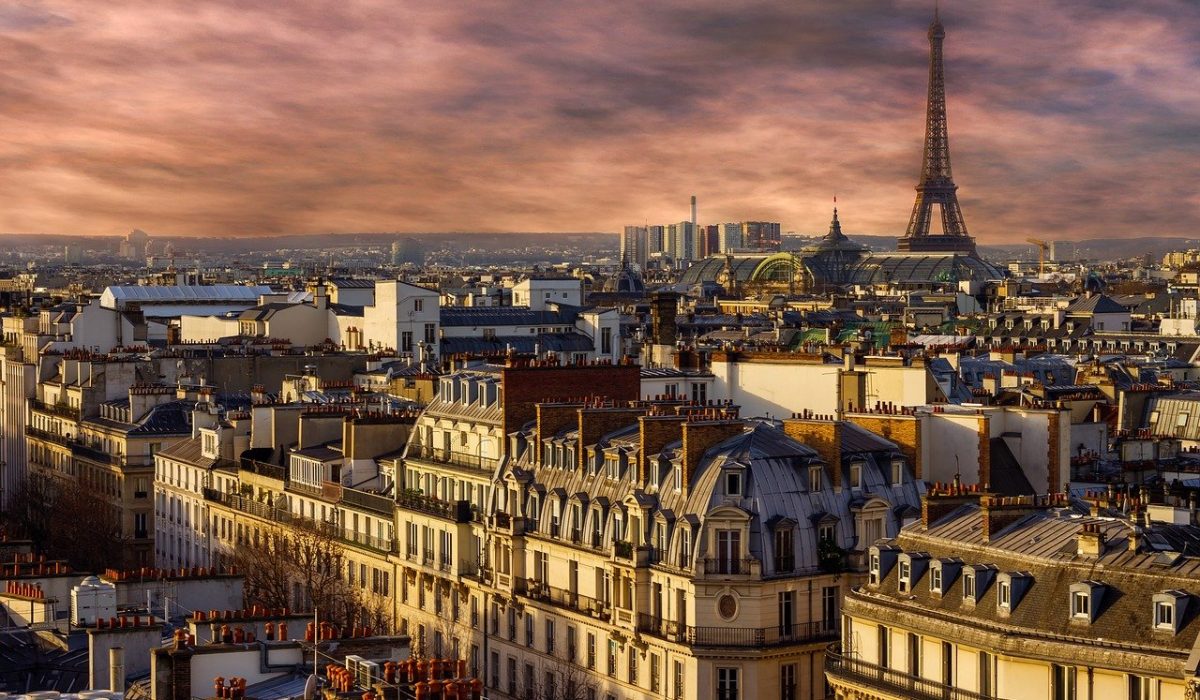
For first-time visitors, Paris is an obvious starting point. Give yourself enough time for major attractions but leave room for neighbourhood walks, cafés and less obvious sights.
Rather than filling every day with museums, combine major attractions with relaxed local exploration.
Normandy
Normandy is a strong option for travellers interested in history, coastline and food. The region can work particularly well as an extension to a Paris itinerary.
Loire Valley
The Loire Valley is ideal for travellers who enjoy castles, gardens, cycling and countryside. It is a good contrast to a busy city stay.
Lyon
Lyon combines history, architecture and one of France’s strongest food traditions. It can also make a convenient base for exploring southeastern France.
Provence
Provence is a popular choice for village scenery, markets, Mediterranean landscapes and relaxed travel. Consider staying several nights rather than attempting to cover the region in a single day.
Nice and the French Riviera
Nice offers a combination of beaches, old-town streets, museums and access to other Riviera destinations. It can be especially attractive if you want to finish a longer travel to France itinerary beside the Mediterranean.
French Alps
If mountains are your priority, consider the Alps for hiking in warmer months or skiing during winter. Remember that conditions, transport and accommodation vary significantly by season.
How to Travel Around France
One of the easiest ways to travel in France is by train.
France has an extensive rail network connecting major cities and regions. SNCF Connect allows travellers to search, book and manage train journeys, including long-distance and regional services.
⇒ SNCF Connect – official train booking and travel information
Use trains for major city connections
For journeys such as Paris to Lyon, Paris to Bordeaux or Paris to Marseille, compare train schedules before considering a rental car.
High-speed services can save considerable time and remove the stress of navigating unfamiliar roads.
Rent a car for rural regions
A car can become more useful when your itinerary includes small villages, countryside attractions or areas with limited public transport.
Do not automatically rent a car for your entire holiday. A practical approach can be to use public transport in major cities and collect a rental car only when you reach a rural region.
 If you are considering sea travel, explore Ferry Boats Are an Inexpensive Way to Travel to France
Book transport strategically
Train tickets can become available months ahead, with booking windows varying by service. SNCF Connect notes that many French train tickets normally open around four months before departure, while some regional services follow different schedules.
For popular journeys, check availability early rather than leaving every booking until the last minute.
France Travel Requirements and Entry Planning
Entry requirements depend on your nationality, length of stay and purpose of travel.
Before you travel to France, check the official France-Visas website rather than relying on an old blog post, social-media comment or third-party visa website.
⇒ France-Visas – official visa information for France
France-Visas provides an online tool for checking whether you need a visa and explains the application process.
Travellers from New Zealand should pay particular attention to the current requirements applicable to their nationality and circumstances. France-Visas provides country-specific information for applications made in New Zealand.
Seniors can enjoy a relaxed experience with tips from our article on France for Seniors Travel
What about ETIAS?
ETIAS is an important development for visa-exempt travellers to Europe, but it is important not to confuse the system with a traditional visa.
As of August 2026, the European Union states that ETIAS is not yet operational and applications are not currently being collected. The EU says it will announce the specific launch date several months before the system begins.
Always check the official EU website close to your departure date because entry procedures can change.
How Much Does It Cost to Travel to France?
Your France travel budget will depend heavily on your accommodation, season, destination and travel style.
Instead of relying on one generic daily figure, build your budget around five categories:
- International flights
- Accommodation
- Intercity transport
- Food and drinks
- Attractions and activities
Save money on accommodation
Consider staying slightly outside the most expensive tourist zones while remaining close to public transport.
For longer stays, an apartment can sometimes make sense, particularly for families or groups. For shorter trips, compare hotels, guesthouses and other accommodation options based on location rather than price alone.
Save money on transport
Compare train fares before booking flights between French cities. A train can be more convenient when you factor in airport transfers, check-in time and the journey between airports and city centres.
Save money on attractions
Prioritise the attractions that matter most to you. You do not need to buy every available tour or pass to have a memorable France holiday.
Walking tours, markets, parks, neighbourhoods and public spaces can provide some of the best experiences at little or no cost.
What Should You Eat in France?
Food should be part of your itinerary, but avoid treating French cuisine as one single style.
Try regional dishes wherever you are travelling. In addition to restaurants, look for bakeries, food markets, cafés, cheese shops and local producers.
A useful strategy is to have one planned food experience each day and keep the rest flexible.
When dining out, check the menu and final bill carefully. Service charges are commonly included in restaurant prices in France, but customs around tipping can vary. If you are uncertain, ask.
And if you plan to drink wine or another alcoholic beverage, never assume that a small amount makes driving safe. French authorities enforce drink-driving laws, and the general legal blood-alcohol limit is 0.5 g/L, with a lower 0.2 g/L limit for drivers with probationary licences.
French Etiquette: Simple Tips That Make a Difference
A little preparation can make everyday interactions easier.
Learn a few basic French phrases:
- Bonjour — Hello
- Bonsoir — Good evening
- Merci — Thank you
- S’il vous plaît — Please
- Au revoir — Goodbye
- Parlez-vous anglais ? — Do you speak English?
Start conversations with a greeting rather than immediately asking a question. It is a small gesture, but it shows respect for local customs.
Also remember that France is not one uniform destination. The pace, food, architecture and culture can feel very different between Paris, Provence, Brittany, Alsace and the French Riviera.
A Simple 7-Day France Itinerary
If you are travelling to France for the first time and have only one week, resist the temptation to visit six regions.
Days 1–3: Paris
Spend three days exploring the major landmarks, museums and neighbourhoods. Keep at least one afternoon relatively unplanned.
Day 4: Day trip or travel day
Choose Versailles, Normandy or another nearby destination depending on your interests.
Days 5–7: Choose one region
Continue to another destination such as Lyon, the Loire Valley or the French Riviera.
This approach gives you enough time to experience each destination rather than spending your holiday constantly packing and unpacking.
If you have 10–14 days, add another region rather than squeezing more attractions into each day.
Travelling to France With a Dog
Travelling with a pet requires additional planning.
Check airline rules, accommodation policies and French transport requirements before departure. If you intend to use trains, check the current rules for your specific service and pet size.
Travellers planning a pet-friendly trip should read our guide on Prepare Your Journey With Dogs Throughout France
For rail bookings, SNCF Connect specifically provides options for adding a pet to eligible journeys.
Practical Checklist Before You Travel to France
Use this checklist during the final weeks before departure:
- Check your passport validity.
- Confirm visa or visa-exemption requirements.
- Check the latest France-Visas guidance.
- Check current EU entry requirements.
- Book major accommodation.
- Compare intercity train options.
- Reserve popular attractions where advance booking is required.
- Arrange travel insurance.
- Check bank-card fees and notify your bank if necessary.
- Download offline maps.
- Save accommodation addresses on your phone.
- Learn a few basic French phrases.
- Check luggage allowances.
- Keep digital and physical copies of important documents.
The most important rule is simple: verify time-sensitive travel information shortly before departure. Visa rules, border procedures, transport schedules and attraction policies can change.
Frequently Asked Questions
What is the best time to travel to France?
The best time depends on your plans. Spring and autumn are often attractive for sightseeing because temperatures can be comfortable and conditions may be less busy than peak summer. Summer is excellent for beaches and outdoor activities, while winter suits Christmas markets and Alpine skiing. Always check conditions for the specific region you plan to visit.
How many days do you need to travel to France?
Seven days is enough for a first introduction, particularly if you concentrate on Paris and one additional region. Ten to fourteen days gives you more flexibility to combine Paris with destinations such as Normandy, Lyon, Provence or the French Riviera. Longer trips are ideal if you want to explore rural areas at a slower pace.
Is France expensive to travel to?
France can suit different budgets. Accommodation and dining in major tourist centres can be expensive, particularly during peak periods, but travellers can reduce costs by booking ahead, using public transport, choosing neighbourhood restaurants and mixing paid attractions with free activities. Your destination and travel season usually have a major effect on the overall cost.
Do I need a visa to travel to France?
It depends on your nationality, purpose and length of stay. Do not rely on generic travel advice because visa rules can change. Use the official France-Visas website to check your individual circumstances before booking or departing. Visa-exempt travellers should also check the latest EU guidance concerning future ETIAS requirements.
Is it easy to travel around France without a car?
Yes. Major French cities and many popular destinations are connected by rail, making train travel a practical choice for many itineraries. A car becomes more useful when exploring remote villages or countryside areas with limited public transport. A combination of trains and short-term car rental can therefore work well for a multi-region trip.
Browse more inspiration in our Travel Guides collection for additional destination ideas
Conclusion
To travel to France successfully, you do not need to create a complicated itinerary. Start by deciding what kind of experience you want, choose two or three regions that match those interests and build your transport around them.
Use trains for efficient city-to-city travel, consider a rental car for rural areas and check official entry requirements before departure. Give yourself enough time to experience local food, neighbourhoods and everyday French life instead of rushing between famous landmarks.
France continues to attract travellers because it offers extraordinary variety in one country—from Paris and historic towns to beaches, mountains, vineyards and countryside. Official tourism figures show just how popular the destination remains, with 100 million international visitors recorded in 2024.
Find practical tips and planning resources in our Prepare Journey category
Now the question is: which part of France would you most like to experience first?