
Introduction
What if your next European adventure could combine world-class food, beautiful scenery, historic towns and a relaxed pace without requiring you to rush from one attraction to another?
For many older travellers, travel to France can be an enjoyable and rewarding experience when the itinerary is designed around comfort rather than simply trying to see as much as possible. France offers famous cities such as Paris and Lyon, peaceful villages, coastal destinations, vineyards, museums, gardens and excellent rail connections.
The key is preparation. Rather than packing every day with activities, senior travellers can benefit from choosing convenient accommodation, allowing extra time between connections, checking accessibility in advance and selecting transport that suits their individual needs.
 For travellers considering sea routes, read our guide on Ferry Boats Are an Inexpensive Way to Travel to France for practical crossing options.
This updated guide explains how to plan France travel for seniors, from choosing destinations and getting around to managing accommodation, sightseeing, language, costs and accessibility. Whether you are travelling independently, as a couple or with family, these practical tips can help make your French holiday more comfortable and enjoyable.
Why Travel to France as a Senior?
France works particularly well for travellers who prefer to combine culture with slower-paced experiences.
You can spend a morning exploring a museum, enjoy a long lunch, relax at a pavement café and still have plenty of time to appreciate your surroundings. You do not need an action-packed itinerary to have a memorable holiday.
The country also offers considerable variety. A first visit might focus on Paris, while a longer trip could include the Loire Valley, Provence, Normandy, Bordeaux, the French Riviera or smaller regional towns.
→ For inspiration, the official France tourism website highlights everything from cities and gastronomy to nature, slow travel and accessible tourism.
Choose a slower itinerary
One of the biggest mistakes when travelling in France is trying to visit too many places.
Instead of changing hotels every night, consider staying three or four nights in one location and taking day trips where practical. This reduces packing, unpacking and navigating unfamiliar stations with luggage.
A slower itinerary can also make the holiday more enjoyable. You have time to stop for coffee, browse a local market or simply sit in a square and watch everyday French life.
Plan Your France Travel Around Your Energy Levels
A good senior travel itinerary should account for the fact that sightseeing can be tiring even when the distances appear short.
Paris is a good example. A map may make two attractions look relatively close, but walking between them, standing in queues and spending several hours inside a museum can quickly add up.
A better approach is to plan one major activity each morning or afternoon and leave space for rest.
Use the one-big-activity rule
Try structuring a busy sightseeing day like this:
- Morning: one major attraction or guided tour.
- Lunch: a relaxed meal close to your next destination.
- Afternoon: one shorter activity.
- Evening: dinner near your accommodation.
On quieter days, replace sightseeing with a market visit, garden, café or scenic train journey.
This approach gives you flexibility without making the holiday feel empty.
Getting Around France: Why Train Travel Can Be a Good Option
France has an extensive rail network, making trains an important option when travelling between major destinations.
The official tourism service notes that thousands of French towns and villages are served directly by trains, making rail travel particularly useful for travellers who want to avoid driving long distances.
For senior travellers, trains can be particularly convenient because you can avoid navigating unfamiliar roads, parking and long motorway journeys.
However, do not assume every station or train journey will be equally easy.
If you are planning to bring pets, this article on Prepare Journey Along With Dogs Throughout France provides essential travel tips.
Book with comfort in mind
When booking longer train journeys:
- Check the departure and arrival stations carefully.
- Allow sufficient time for connections.
- Avoid unnecessarily tight transfers.
- Check luggage arrangements before travelling.
- Choose a seat that suits your needs where available.
- Investigate assistance services if mobility is a concern.
SNCF provides assistance for passengers with disabilities and reduced mobility. Its station assistance service can help eligible passengers travel from the assistance point to their train and, on arrival, onward through the station.
SNCF’s current information also confirms that assistance and accessibility services have specific eligibility and booking conditions, so travellers should check the requirements before departure rather than relying on assumptions.
How to Make France Travel More Accessible
You do not need to have a disability to benefit from thinking about accessibility.
Older travellers may simply prefer fewer stairs, shorter walking distances, lifts, accessible bathrooms or accommodation closer to public transport.
Before booking a hotel, ask specific questions rather than relying only on the word “accessible.”
For example:
- Is there a lift?
- Are there stairs between the entrance and reception?
- Is the bedroom on the same floor as the lift?
- Does the bathroom have a walk-in shower?
- How far is the property from the nearest station?
- Is there a steep hill between the accommodation and local attractions?
- Can staff help with luggage?
The official France tourism website provides information about accessible travel and says more than 4,000 providers across France have the Tourism & Handicap accessibility label.
That makes it easier to research accommodation, attractions and services before you travel.
Choose Senior-Friendly Accommodation
Where you stay can make a significant difference to your holiday.
A beautiful hotel located several kilometres from the centre may be less convenient than a simpler property within easy walking distance of restaurants, public transport and attractions.
When comparing accommodation, consider:
Location
Look for somewhere close to the places you actually want to visit. Being near a train station or reliable public transport can be more valuable than having a spectacular view.
Lift access
If stairs are difficult, confirm lift availability before booking. Some historic buildings have limited lift access or rooms that can only be reached by stairs.
Bathroom design
A walk-in shower can be much easier to use than a bath with a high side.
Noise
A central location is convenient, but a room above a busy restaurant or on a noisy street may affect your sleep.
Restaurants nearby
After a long day of sightseeing, having several restaurants or cafés within a short distance can be a major advantage.
Save Money Without Making the Trip Uncomfortable
Budgeting for travel to France does not mean choosing the cheapest option at every stage.
Sometimes spending a little more can significantly improve comfort.
For example, paying for accommodation near a railway station may reduce taxi costs. Booking a convenient train connection can prevent the stress of a complicated transfer. Choosing a central neighbourhood can reduce the need for repeated transport journeys.
Compare the total cost rather than the headline price.
Look for senior and concessionary prices
Do not automatically assume that every attraction offers a senior discount, and do not rely on outdated lists of discounts.
Instead, check the official website of each museum, attraction or transport provider before booking. Eligibility, prices and conditions can change.
The same applies to rail travel. Current SNCF senior-related fares and discount products depend on the particular journey and product, so check the latest official conditions rather than relying on older claims about universal senior discounts.
Visit France Beyond Paris
Paris deserves a place on many first-time itineraries, but France travel becomes even more interesting when you explore beyond the capital.
Normandy
Normandy is a strong choice for travellers interested in history, coastal scenery, food and picturesque towns.
Loire Valley
The Loire Valley is ideal for travellers who enjoy gardens, châteaux, wine and countryside.
Provence
Provence offers markets, villages, landscapes, food and a slower Mediterranean atmosphere.
Bordeaux
Bordeaux is worth considering for architecture, gastronomy and wine culture.
French Riviera
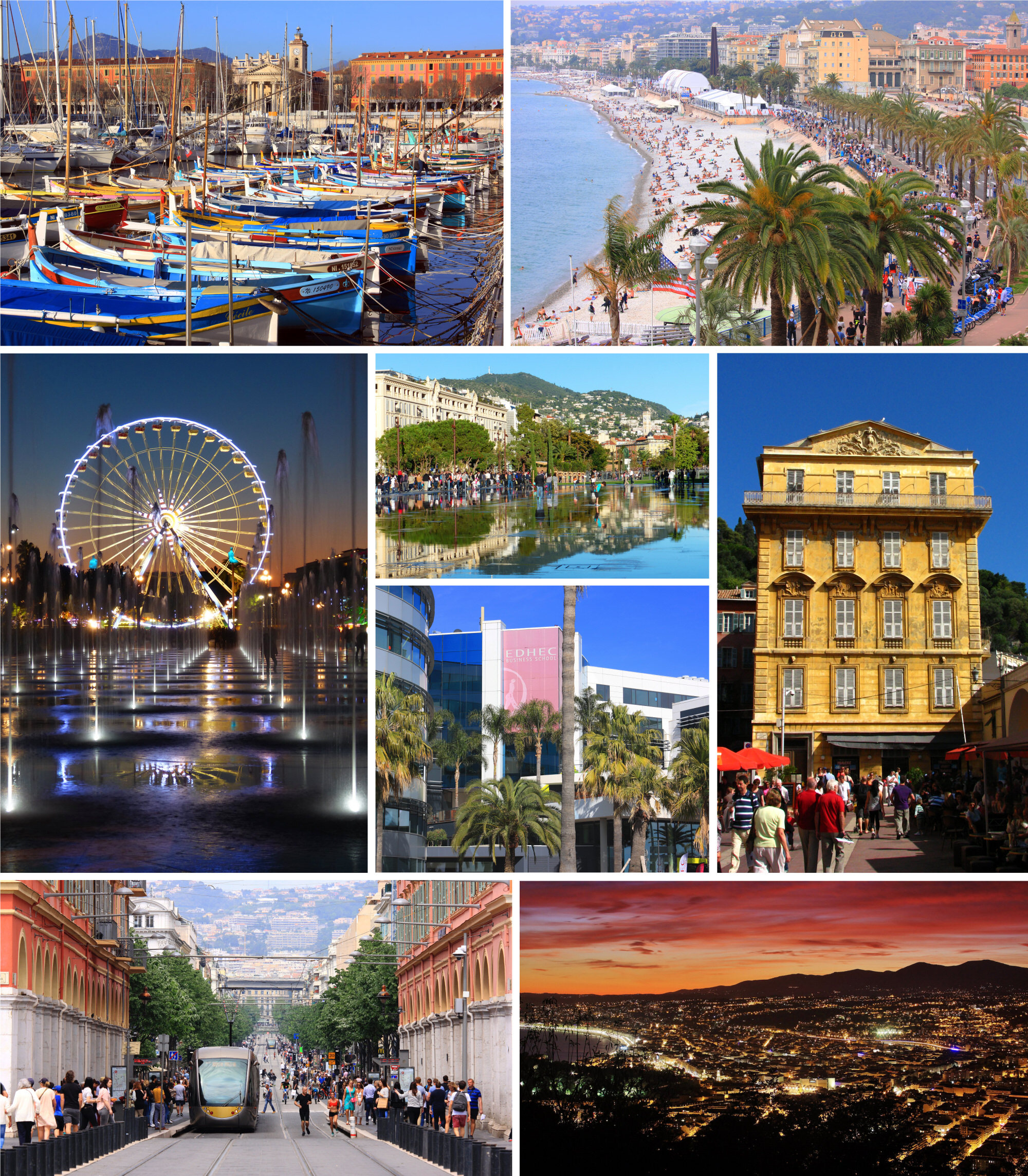
Nice and the surrounding Côte d’Azur combine coastal scenery, historic neighbourhoods, restaurants and easy opportunities for relaxed sightseeing.
The best destination depends on your interests and mobility. Instead of trying to cover the whole country, choose two or three regions that genuinely appeal to you.
Learn a Few French Phrases
You do not need fluent French to enjoy your holiday, particularly in heavily visited areas.
However, learning a handful of phrases can make everyday interactions easier and more pleasant.
Useful expressions include:
- Bonjour — Hello
- Merci — Thank you
- S’il vous plaît — Please
- Excusez-moi — Excuse me
- Parlez-vous anglais ? — Do you speak English?
- Où sont les toilettes ? — Where are the toilets?
- Je ne comprends pas — I don’t understand
A translation app can also be useful, but keep important information such as hotel addresses and travel details available offline.
Build a Comfortable Daily Routine
A predictable routine can make travelling to France less tiring.
Try to avoid scheduling an early train immediately after a late night. Likewise, allow time for breakfast before a busy sightseeing day.
A comfortable routine might look like:
8:00–9:00: Breakfast
9:30–12:00: Main sightseeing activity
12:00–2:00: Lunch and rest
2:00–4:00: Gentle sightseeing
4:00 onward: Return to accommodation or enjoy a café
The exact schedule does not matter. What matters is leaving enough breathing room.
Prepare for Accessibility Before You Leave
If you have reduced mobility or another accessibility requirement, contact transport providers and accommodation providers before travelling.
SNCF’s assistance service is designed for passengers with reduced mobility and certain disability-related needs, and the company recommends preparing assistance arrangements in advance.
France’s tourism authority also recommends researching accessibility before travelling and provides information about accessible accommodation, activities and transport.
Do not wait until you arrive to discover that a supposedly convenient hotel has several flights of stairs.
Check Entry Requirements Before Travelling
Entry requirements depend on your nationality, destination and length of stay.
Travellers should always check current requirements before departure rather than relying on an old travel article. The official France tourism website provides current information about passports, visas and border formalities, while the French government directs travellers who require visas to the France-Visas system.
If you are travelling from New Zealand, also check the latest advice from the relevant New Zealand government travel authorities before booking non-refundable arrangements.
Practical Packing Tips for Senior Travellers
Pack for convenience rather than quantity.
A useful packing list can include:
- Comfortable walking shoes
- Lightweight layers
- Any required medication
- Copies of important travel documents
- Phone charger and power adapter
- Reusable water bottle
- Small day bag
- Prescription information
- Emergency contact details
- Copies of accommodation and transport bookings
Keep essential medication and important documents in your hand luggage rather than checked baggage.
It is also worth keeping a digital and paper copy of your key travel information.
Frequently Asked Questions About Travel to France for Seniors
Is France a good destination for senior travellers?
Yes. France can be an excellent destination for older travellers because it combines cultural attractions, food, scenery, historic towns and a wide range of transport options. The key is choosing an itinerary that matches your walking ability and energy level. Staying longer in fewer destinations, choosing convenient accommodation and arranging accessibility services in advance can make the experience considerably more comfortable.
What is the best way to travel around France for seniors?
Train travel is often a convenient choice for longer journeys between major French destinations because it avoids driving and parking. However, the best option depends on your itinerary, mobility and destination. Before booking, check connections, station layouts, luggage requirements and available assistance. For rural areas where rail connections are limited, a car, taxi or organised tour may be more practical.
How can seniors save money when travelling to France?
Start by comparing the total cost of your trip rather than simply choosing the cheapest ticket or hotel. Look for applicable senior, museum or transport concessions, but verify the current terms directly with each provider. Travelling outside peak periods, staying longer in one location and booking accommodation near transport and attractions can also reduce unnecessary expenses.
Is France easy to get around for people with limited mobility?
It depends heavily on the destination. Some newer transport facilities and tourist sites provide good accessibility, while older buildings, historic streets and some stations can present challenges. France has official accessibility information and a Tourism & Handicap certification system. Travellers with mobility needs should research individual hotels, stations and attractions before booking rather than assuming an entire city is accessible.
How many days should seniors spend in France?
There is no single ideal length, but a slower itinerary is usually more enjoyable than trying to cover the country quickly. A week can work well for one region or Paris, while two weeks or more allows you to combine several destinations without changing hotels constantly. Build rest periods into the schedule and avoid planning a major sightseeing activity every day.
Readers interested in contributing travel content can visit our Write for Us page for submission guidelines.
Conclusion
The best travel to France experience is not necessarily the one that visits the most attractions. It is the one that gives you enough time to enjoy each destination without constantly watching the clock.
Choose comfortable accommodation, plan realistic sightseeing days, use trains where they make sense, investigate accessibility before booking and check current transport, entry and attraction requirements. Most importantly, leave room for the experiences that cannot be scheduled—a long French lunch, an unexpected village, a quiet garden or an afternoon coffee in a lively square.
France has something for almost every style of traveller, and getting older should not mean giving up the pleasure of discovering it.
So, if France has been on your travel list, which French destination would you most like to explore at a slower pace?