
Planning your first time visiting New Zealand can feel overwhelming. Should you rent a car? Which island should you visit? How much should you budget? What are the country’s strict biosecurity rules?
The good news is that New Zealand is one of the easiest countries in the world to explore independently. Roads are well maintained, English is the primary language, tap water is generally safe to drink, and visitors are welcomed with excellent tourism infrastructure.
This guide explains everything you need to know before your first trip to New Zealand, from planning your itinerary and understanding entry requirements to budgeting, transport, accommodation, and avoiding common mistakes. Whether you’re visiting for one week or three, these practical tips will help you arrive prepared and travel with confidence.
Before You Book Your Trip
A little planning goes a long way in New Zealand. Because the country is geographically isolated, flights can be expensive, and domestic travel often takes longer than visitors expect.
Before booking, decide:
- How many days you have available
- Whether you’ll visit one island or both
- Your preferred travel style (road trip, guided tour, campervan, or city breaks)
- Your approximate budget
- Whether you’ll drive or rely on public transport
For many first-time visitors, trying to see the entire country in one week results in spending more time travelling than enjoying destinations.
Quick recommendation
| Trip Length | Suggested Focus |
|---|---|
| 5–7 days | One island only |
| 8–12 days | One island plus one additional region |
| 14–21 days | North and South Islands |
Entry Requirements and Travel Documents
One of the first things to check is whether you need a visa or travel authorisation.
New Zealand’s entry requirements vary depending on your nationality. Many travellers can visit without applying for a traditional visitor visa, while others must obtain one before departure.
Regardless of nationality, visitors should always confirm the latest requirements before travelling, as immigration policies can change.
Before flying, make sure you have:
- A passport valid for your journey
- Any required visa or New Zealand Electronic Travel Authority (NZeTA), if applicable
- Proof of onward or return travel if required
- Evidence of sufficient funds if requested by immigration officials
It’s also worth checking airline-specific documentation requirements before departure.
Don’t forget New Zealand’s biosecurity rules
New Zealand has some of the world’s strictest biosecurity regulations to protect its unique ecosystems and agriculture.
When arriving, you’ll be asked to declare items such as:
- Fresh food
- Meat
- Fruit and vegetables
- Seeds
- Outdoor equipment
- Hiking boots
- Camping gear
If you’re unsure whether an item should be declared, declare it. Honest declarations are encouraged and can help avoid penalties.
When Is the Best Time to Visit New Zealand?
There’s no single “best” time to visit—it depends on the experiences you’re looking for.
Because New Zealand is in the Southern Hemisphere, its seasons are opposite those in Europe and North America.
| Season | Months | Best For |
|---|---|---|
| Summer | December–February | Beaches, hiking, road trips |
| Autumn | March–May | Scenic drives, vineyards, fewer crowds |
| Winter | June–August | Skiing, snowboarding, alpine scenery |
| Spring | September–November | Wildflowers, waterfalls, moderate temperatures |
Summer
Summer offers long daylight hours, warm temperatures, and ideal conditions for exploring both islands. It’s also the busiest travel period, so flights and accommodation should be booked well in advance.
Autumn
Autumn is a favourite for many travellers thanks to mild weather, colourful landscapes, and reduced crowds. It’s an excellent time for wine regions, photography, and road trips.
Winter
Winter is perfect if you plan to ski in destinations such as Queenstown or Wānaka. Outside alpine areas, many parts of the country remain accessible, although daylight hours are shorter.
Spring
Spring brings blooming gardens, flowing waterfalls, and changing weather. Packing layers is especially important during this season.
 If you’re still deciding when to travel, our Best Time to Visit New Zealand guide explains the weather, seasons, and what to expect throughout the year.
How Much Does a Trip to New Zealand Cost?
New Zealand is generally considered a mid- to high-cost destination, particularly compared with many parts of Asia.
Your total budget depends on:
- Accommodation
- Transport
- Activities
- Dining choices
- Travel season
Typical daily budget
| Traveller Type | Estimated Daily Budget |
|---|---|
| Budget | NZ$120–200 |
| Mid-range | NZ$220–400 |
| Comfortable | NZ$400+ |
These estimates vary depending on destination, travel season, and activity choices.
Biggest expenses
For most visitors, the largest costs are:
- International flights
- Rental vehicles
- Fuel
- Accommodation
- Adventure activities
You can reduce costs by:
- Travelling outside peak summer holidays
- Booking accommodation early
- Preparing some meals yourself
- Choosing free hiking trails and public beaches
- Staying longer in fewer destinations instead of changing accommodation every night
What Should You Pack?
Packing for New Zealand surprises many first-time visitors because weather conditions can change quickly—even during summer.
A practical packing list includes:
Clothing
- Waterproof jacket
- Comfortable walking shoes
- Warm jumper or fleece
- T-shirts
- Lightweight trousers
- Shorts (summer)
- Hat
- Sunglasses
Electronics
- Universal travel adapter
- Power bank
- Phone charger
- Camera
- Charging cables
Travel essentials
- Passport
- Travel insurance documents
- Driver licence (if renting a vehicle)
- Credit or debit card
- Reusable water bottle
- Prescription medication
Outdoor gear
If you plan to hike, bring:
- Hiking boots
- Rain protection
- Daypack
- Sunscreen
- Insect repellent
Even short walks can involve changing weather conditions, so carrying an extra layer is a sensible precaution.
Getting Around New Zealand
One of the biggest decisions you’ll make when planning your first trip is how you’ll travel around the country. While New Zealand isn’t a large country by land area, journeys often take longer than they appear on a map due to winding roads, mountainous terrain, and scenic routes that encourage frequent stops.
For most first-time visitors, renting a car offers the greatest flexibility, especially if you want to explore national parks, coastal towns, and rural regions. However, buses, domestic flights, trains, and guided tours are all excellent alternatives depending on your itinerary and budget.
Transport Options at a Glance
| Option | Best For | Pros | Cons |
|---|---|---|---|
| Rental car | Road trips, families, photographers | Maximum flexibility, access to remote areas | Higher cost, driving on the left |
| Campervan | Longer holidays | Transport and accommodation combined | Larger vehicle to drive, campsite planning required |
| Intercity buses | Budget travellers | Affordable and easy to book | Limited schedules in some regions |
| Domestic flights | Long distances | Saves time | Less flexibility and baggage restrictions may apply |
| Guided tours | First-time visitors wanting convenience | No driving required | Less freedom to change plans |
| Scenic trains | Relaxed sightseeing | Beautiful views | Limited routes |
Renting a Car
For many travellers, a rental car is the easiest way to experience New Zealand.
A car allows you to:
- Visit small towns that public transport doesn’t reach.
- Stop at scenic viewpoints whenever you like.
- Explore national parks at your own pace.
- Adjust your itinerary if the weather changes.
If you’re travelling with two or more people, renting a car can also be cost-effective when fuel and rental costs are shared.
When Public Transport Makes Sense
You may not need a rental car if you plan to:
- Stay mainly in Auckland, Wellington, or Christchurch.
- Join organised day tours.
- Fly between major cities.
- Travel on a tighter budget.
Long-distance bus networks connect many destinations, although services are less frequent than in larger countries. Booking in advance is recommended during busy travel periods.
Before finalising your itinerary, read our New Zealand Road Trip Planning Guide for practical advice on routes, driving times, and itinerary ideas.
Driving in New Zealand: What First-Time Visitors Should Know
Driving is one of the highlights of visiting New Zealand, but it can also be one of the biggest adjustments for international visitors.
New Zealand drives on the left
If you’re from a country where people drive on the right, take time to familiarise yourself with left-hand driving before collecting your rental car.
Helpful tips include:
- Take your first drive during daylight hours.
- Avoid rushing after a long international flight.
- Let an experienced passenger help with navigation where possible.
- Use rest areas regularly to stay alert.
Road Conditions
Many visitors expect highways similar to those in Europe or North America. In reality, much of New Zealand’s road network consists of two-lane roads with bends, hills, and varying speed limits.
Although distances may look short, travel often takes longer than expected.
For example:
- A 250 km drive may take four hours or more.
- Mountain roads require slower speeds.
- Scenic stops can easily add an extra hour to your journey.
A good rule is to plan fewer destinations and allow time to enjoy them rather than trying to cover large distances every day.
Driver Licence Requirements
Many overseas visitors can legally drive in New Zealand using a valid driver’s licence from their home country for a limited period. If your licence is not in English, you may also need an approved English translation or an International Driving Permit (IDP).
Always check the latest requirements before travelling, as eligibility depends on the country that issued your licence.
Safety Tips for Drivers
- Wear seatbelts at all times.
- Obey speed limits.
- Never drive while tired.
- Watch for one-lane bridges, especially in rural areas.
- Allow faster local traffic to pass safely when appropriate.
- Check weather forecasts before driving through alpine regions.
Choosing the Right Accommodation
New Zealand offers accommodation for almost every travel style and budget.
Hotels
Hotels are ideal if you prefer convenience, daily housekeeping, and central locations. Major cities and popular tourist destinations have options ranging from budget hotels to luxury properties.
Motels
Motels are one of the most popular choices for road-trippers. Many offer free parking, kitchenettes, and larger rooms, making them a practical option for families and longer stays.
Holiday Parks
Holiday parks are excellent value for travellers with campervans or those looking for cabins and shared facilities. Many include communal kitchens, laundry rooms, and playgrounds.
Bed and Breakfasts
Bed and breakfasts offer a more personal experience, often with local hosts who can provide helpful recommendations about nearby attractions and dining.
Lodges
Lodges, such as Hazeldene Lodge, can provide a peaceful base away from busy city centres while still offering easy access to surrounding attractions. They’re often well suited to travellers seeking comfort, local hospitality, and a relaxed atmosphere.
Booking Tips
- Reserve accommodation early if travelling during summer or school holidays.
- Check parking availability if renting a car.
- Read cancellation policies carefully.
- Consider staying two or three nights in each destination instead of changing accommodation daily.
Food, Tipping, and Paying for Things
What Food Can You Expect?
New Zealand’s food scene reflects its multicultural population and strong agricultural heritage.
You’ll find:
- Fresh seafood
- Lamb and beef dishes
- Artisan cheeses
- Local wines
- Excellent coffee
- International cuisines in major cities
Many cafés cater to vegetarian, vegan, and gluten-free diets.
Is Tipping Expected?
Unlike some countries, tipping is not generally expected in New Zealand.
If you’ve received exceptional service, leaving a small tip is appreciated but entirely optional.
Paying for Purchases
Credit and debit cards are widely accepted throughout New Zealand, including contactless payments such as Apple Pay and Google Pay where available.
However, it’s still sensible to carry a small amount of New Zealand currency for rural areas, markets, or smaller businesses that may have limited payment options.
Staying Safe and Healthy
New Zealand is widely regarded as a safe destination, but sensible precautions still apply.
Personal Safety
- Keep valuables secure.
- Lock your vehicle when parked.
- Don’t leave bags visible inside your car.
- Follow local advice when hiking or swimming.
Outdoor Safety
New Zealand’s landscapes are beautiful but can also be unpredictable.
Weather conditions can change rapidly, particularly in alpine areas.
Before setting out on longer walks:
- Check the weather forecast.
- Tell someone your plans.
- Carry enough food and water.
- Wear suitable footwear.
- Take extra warm clothing.
If you’re planning to explore national parks or multi-day hiking trails, always follow official safety advice and track conditions.
Sun Protection
The sun in New Zealand can be much stronger than many visitors expect due to high ultraviolet (UV) levels.
Even on cooler or cloudy days:
- Apply sunscreen regularly.
- Wear sunglasses.
- Use a hat.
- Drink plenty of water.
Internet Access, SIM Cards, and eSIMs
Staying connected is straightforward for most travellers.
Local SIM Cards
You can purchase prepaid SIM cards after arriving at major airports, mobile phone stores, and supermarkets.
A local SIM can offer lower costs for calls, texts, and mobile data during your stay.
eSIMs
If your phone supports eSIM technology, activating a digital travel plan before departure can be a convenient alternative. This allows you to access mobile data shortly after landing without swapping physical SIM cards.
When comparing providers, consider:
- Data allowance
- Coverage outside major cities
- Validity period
- Hotspot capability
- Customer support
For many first-time visitors, an eSIM is one of the easiest ways to stay connected from arrival.
Common Mistakes First-Time Visitors Make
Learning from other travellers can help you avoid unnecessary stress.
1. Trying to See Too Much
New Zealand rewards slow travel. Spending less time driving and more time exploring often leads to a much more enjoyable holiday.
2. Underestimating Driving Times
Journey times are frequently longer than expected. Always allow extra time for scenic stops, roadworks, and changing weather.
3. Ignoring the Weather Forecast
Conditions can change quickly, particularly in mountainous regions. Carry layers and waterproof clothing, even during summer.
4. Forgetting Biosecurity Rules
Never assume food, outdoor equipment, or natural items can be brought into the country without declaration. If you’re unsure, declare the item on arrival.
5. Booking Too Late
Accommodation, rental cars, and popular activities can sell out well in advance during peak travel seasons.
6. Skipping Travel Insurance
Although nobody expects things to go wrong, travel insurance can help protect against unexpected medical expenses, cancellations, lost luggage, and travel disruptions. Compare policies carefully to ensure they match your planned activities, particularly if you’re taking part in adventure sports.
Suggested Itineraries for First-Time Visitors
One of the most common mistakes first-time visitors make is trying to see too much in too little time. New Zealand may look compact on a map, but winding roads, scenic stops, and outdoor activities mean journeys often take longer than expected.
Here are some beginner-friendly itinerary ideas.
7-Day Itinerary: Choose One Island
| Day | North Island | South Island |
|---|---|---|
| 1–2 | Auckland | Christchurch |
| 3–4 | Rotorua | Lake Tekapo |
| 5–6 | Taupō | Queenstown |
| 7 | Return to Auckland | Return to Christchurch |
Best for: Travellers with limited time who prefer a relaxed pace.
10-Day Itinerary
North Island
- Auckland
- Coromandel Peninsula (optional)
- Hobbiton
- Rotorua
- Taupō
- Tongariro National Park
- Wellington
South Island
- Christchurch
- Lake Tekapo
- Aoraki / Mount Cook National Park
- Wānaka
- Queenstown
Best for: First-time visitors who want to experience New Zealand’s landscapes without rushing.
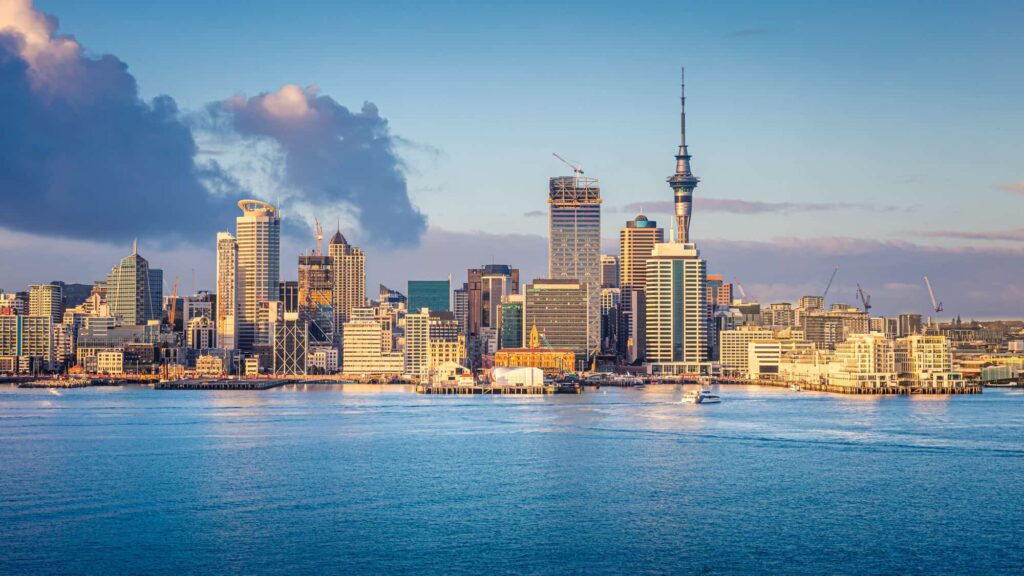
14-Day Itinerary
Two weeks gives you enough time to experience highlights from both islands.
A typical route might include:
- Auckland
- Rotorua
- Taupō
- Wellington
- Ferry to the South Island
- Marlborough
- Kaikōura
- Christchurch
- Lake Tekapo
- Aoraki / Mount Cook
- Wānaka
- Queenstown
If your flights allow, consider arriving in Auckland and departing from Queenstown or Christchurch (or vice versa). An open-jaw itinerary reduces backtracking and saves valuable holiday time.
First-Time Visitor Pre-Departure Checklist
Use this checklist in the weeks before your trip.
Travel Documents
- □ Passport valid for your journey
- □ Visa or NZeTA (if required)
- □ Flight confirmations
- □ Accommodation bookings
- □ Travel insurance policy
- □ Driver’s licence (and International Driving Permit if needed)
Money
- □ Credit/debit cards
- □ Notify your bank if required
- □ Small amount of New Zealand dollars for incidental expenses
Technology
- □ Phone charger
- □ Power bank
- □ Universal travel adapter
- □ Download offline maps
- □ Arrange an eSIM or local SIM plan
Clothing
- □ Waterproof jacket
- □ Comfortable walking shoes
- □ Warm layers
- □ Hat and sunglasses
- □ Swimwear (season permitting)
Health and Safety
- □ Prescription medications
- □ Basic first-aid supplies
- □ Sunscreen
- □ Insect repellent
- □ Reusable water bottle
Helpful Travel Gear and Services
While this guide is primarily informational, a few travel essentials can make your first visit smoother.
| Item | Why It’s Useful |
|---|---|
| Travel insurance | Covers unexpected medical expenses, cancellations, and lost luggage. Choose a policy that matches your planned activities. |
| eSIM | Lets you access mobile data soon after arrival without changing physical SIM cards. |
| Packing cubes | Help organise clothing and save luggage space, especially for multi-stop trips. |
| Universal travel adapter | New Zealand uses Type I electrical outlets, so visitors from many countries will need an adapter. |
| Reusable water bottle | Tap water is generally safe to drink, making refillable bottles convenient and environmentally friendly. |
| Portable power bank | Useful during long drives, hikes, or full sightseeing days. |
Only purchase gear that suits your travel style—there’s no need to buy specialist equipment for a standard sightseeing holiday.
Frequently Asked Questions
How many days do I need for my first visit to New Zealand?
A minimum of 10–14 days allows you to explore one island thoroughly or experience highlights from both islands without spending most of your holiday in transit. If you have only one week, focus on either the North Island or the South Island rather than trying to visit both.
Is New Zealand expensive for tourists?
New Zealand is generally considered a mid- to high-cost destination. Accommodation, rental cars, and activities can be significant expenses, but travelling outside peak season, booking early, and preparing some of your own meals can help reduce costs.
Should I rent a car?
If you want to visit smaller towns, national parks, or scenic regions, renting a car offers the greatest flexibility. If you’re mainly visiting larger cities or prefer guided tours, public transport and domestic flights can be practical alternatives.
Can I drink tap water in New Zealand?
In most towns and cities, tap water is safe to drink. However, if you’re staying in a remote rural area or using untreated water sources while hiking or camping, follow local guidance before drinking.
Do I need cash?
Most businesses accept credit and debit cards, including contactless payments. Carrying a small amount of cash is useful for occasional situations where card facilities may be limited.
What is the biggest mistake first-time visitors make?
The most common mistake is trying to cover too much ground in too little time. Planning fewer destinations and allowing extra time for scenic stops generally results in a more enjoyable and less stressful trip.
Final Takeaway
Your first trip to New Zealand doesn’t need to be complicated. The key is to plan realistically, allow enough time to explore at a comfortable pace, and prepare for changing weather, longer-than-expected driving times, and the country’s strict biosecurity requirements.
Whether you’re drawn to geothermal landscapes, alpine scenery, coastal drives, or vibrant cities, New Zealand rewards travellers who slow down and spend more time experiencing each destination rather than simply passing through.
With thoughtful planning, appropriate travel insurance, and a flexible itinerary, you’ll be well prepared to enjoy everything Aotearoa New Zealand has to offer on your first visit.
Sources
⇒ Immigration New Zealand → Visitor visas, NZeTA, entry requirements
⇒ New Zealand Customs Service → Arrival procedures and customs information
⇒ Ministry for Primary Industries (MPI) → Biosecurity rules and declaration requirements
⇒ New Zealand Transport Agency (NZTA) → Driving rules, overseas licence information, road safety
⇒ Tourism New Zealand → Destination planning, seasonal travel advice
⇒ Department of Conservation (DOC) → Hiking safety, national parks, outdoor guidance
⇒ MetService New Zealand → Weather forecasts and travel planning