
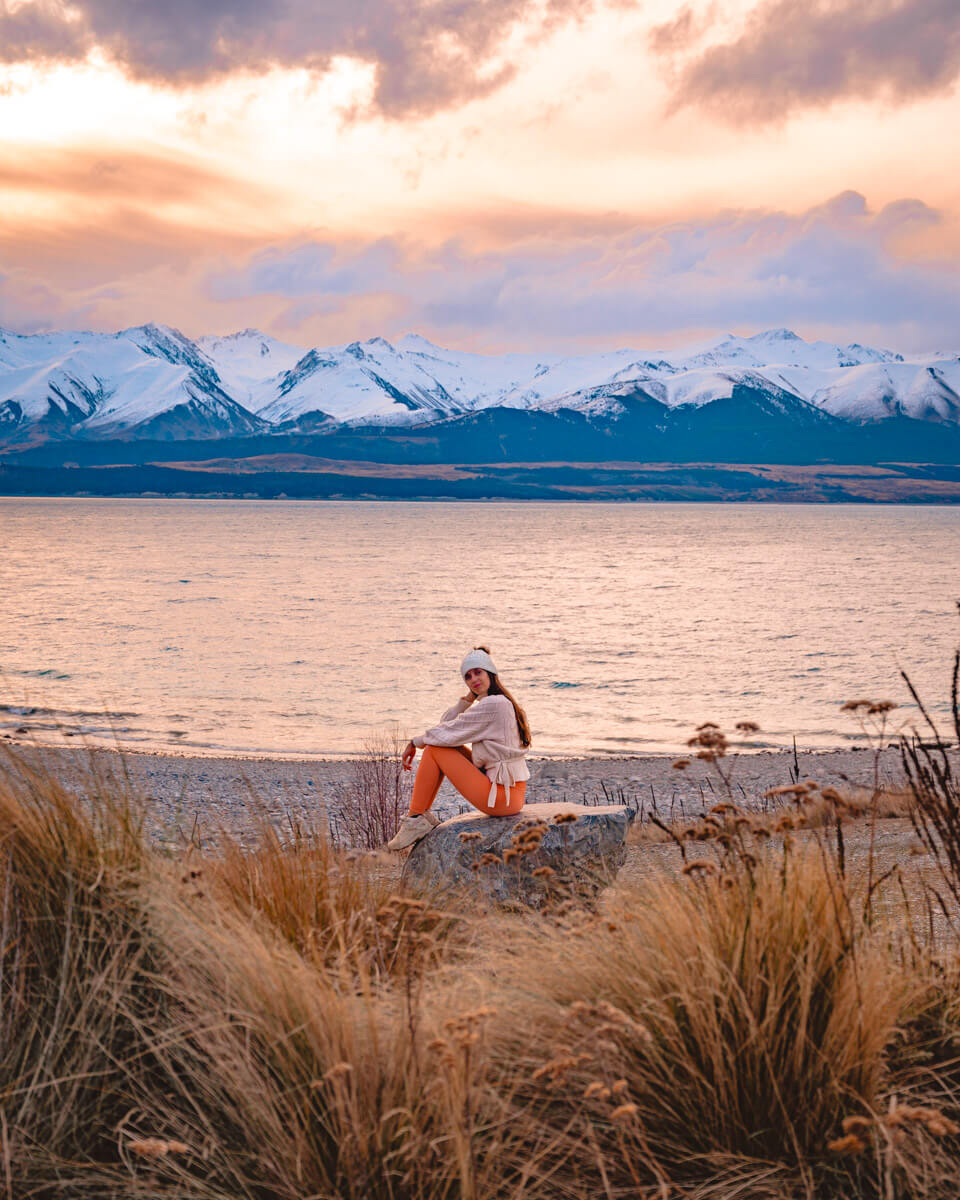
If you’re wondering about the best time to visit New Zealand, the short answer is: late March to April is one of the best all-round choices for first-time travellers.
New Zealand’s autumn combines generally pleasant conditions with colourful landscapes and a less intense peak-season atmosphere. Spring, from September to November, is another excellent option if you prefer fewer crowds and want to see the country waking up after winter. Summer is the easiest choice for warm-weather outdoor activities and long road trips, while winter is ideal if skiing, snow and alpine scenery are your priorities.
There isn’t one perfect month for every traveller. The right time depends on what you want to do, where you plan to go and how much flexibility you have with your itinerary.
This guide breaks down each season and then gives you a simple way to choose the right travel window for your first New Zealand trip.
 Learn more in our New Zealand travel planning guide to help you organise your itinerary, transport and accommodation before your trip.
Quick Answer: When Should First-Time Travellers Visit New Zealand?
For most first-time visitors, late March to April is the best overall compromise.
It offers a useful combination of:
- Comfortable conditions for sightseeing and road trips
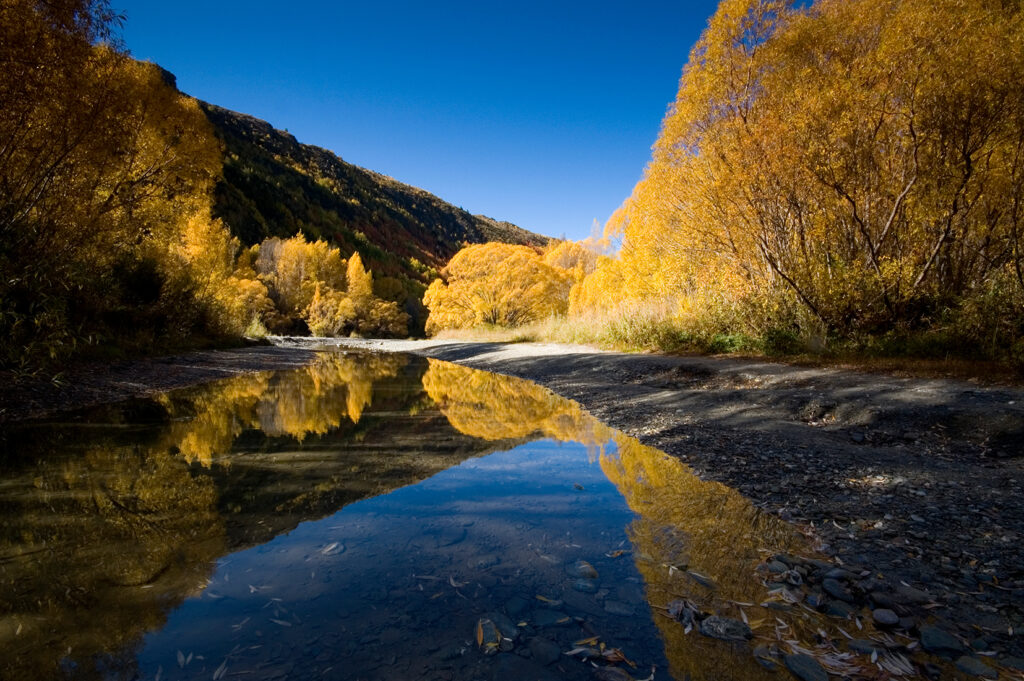
- Autumn colours, particularly in parts of the South Island
- Fewer visitors than the busiest summer period
- Good opportunities for hiking and outdoor sightseeing
- A better balance between popular attractions and a relaxed itinerary
- Enough seasonal variety to experience both North and South Island highlights
This is a recommendation rather than a rule. Tourism New Zealand describes autumn as a season with crisp conditions, clear skies and excellent opportunities for exploring, while its wider travel guidance identifies spring and autumn as strong shoulder-season choices.
If your priorities are different, use this quick guide:
| Your priority | Best time to visit |
|---|---|
| Best all-round first trip | Late March–April |
| Warm weather and beaches | December–February |
| Long summer road trip | December–February |
| Hiking with fewer crowds | March–May or September–November |
| Autumn colours | March–May |
| Spring scenery and fewer crowds | September–November |
| Skiing and snow | June–August |
| Winter landscapes and hot pools | June–August |
| Avoiding peak travel periods | May–June or September–November |
New Zealand’s official seasons are summer from December to February, autumn from March to May, winter from June to August and spring from September to November.
Understanding New Zealand’s Seasons
One important point for beginners is that New Zealand’s seasons are opposite to those in the Northern Hemisphere.
That means:
- Summer: December to February
- Autumn: March to May
- Winter: June to August
- Spring: September to November
New Zealand also has considerable regional variation. The far north has a subtropical climate, while the South Island’s alpine areas can be considerably colder. The surrounding ocean moderates temperatures across the country, but weather can change quickly, particularly around mountains and exposed coastal areas.
So don’t plan a New Zealand holiday using one temperature for the whole country.
A trip that begins in Auckland and finishes in Queenstown can involve noticeably different conditions, especially if your itinerary includes mountains, national parks or overnight stops at higher elevations.
Summer: December to February
Best for: First-time travellers who want warm-weather activities, beaches, long road trips and a classic summer holiday.
Summer is New Zealand’s warmest main travel season. Tourism New Zealand lists December through February as summer, with warm, sunny conditions supporting outdoor adventures, sightseeing, food and wine experiences.
For many visitors, summer feels like the obvious answer to the question of when to visit New Zealand. It is particularly attractive if you want to spend a lot of time outdoors.
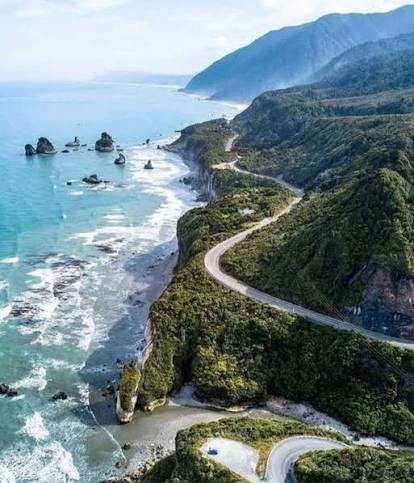
Plan your journey more effectively with our New Zealand road trip planning tips, including routes, driving conditions and seasonal advice.
Why visit in summer?
Summer is a strong choice for:
- Beach holidays
- Swimming and water activities
- Hiking
- Cycling
- Road trips
- Wildlife experiences
- Outdoor festivals and events
- Longer days for sightseeing
It is also a practical season for travellers who want to combine several regions in one trip.
However, there is a trade-off: summer is New Zealand’s peak travel period. Tourism New Zealand advises travellers to book accommodation, transport, tours and activities ahead during the peak season, which runs broadly from October through April and is centred on December to February.
Summer drawbacks
The biggest disadvantages are demand and planning pressure.
Popular accommodation, rental vehicles, domestic flights and activities can fill more quickly, particularly around the busiest holiday periods.
You may also find that famous attractions feel less peaceful than they do during shoulder seasons. For example, Tourism New Zealand specifically notes that the Tongariro Alpine Crossing can become crowded during the December-to-February peak period.
Best for: Travellers who value warm weather and outdoor variety more than avoiding crowds.
Autumn: March to May
Best for: First-time visitors who want the strongest overall balance of weather, scenery, activities and manageable crowds.
For many travellers, autumn is the sweet spot.
March still has a relatively summery feel in many places, while April brings cooler evenings and distinctly autumnal scenery. Tourism New Zealand describes March to May as a season of crisp air, clear skies and long sunny days that can continue well into autumn.
Why autumn is a great first-trip choice
Autumn works particularly well for a New Zealand itinerary that mixes cities, scenic drives, walks and national parks.
You can enjoy:
- Autumn colours
- Scenic road trips
- Hiking and walking
- Wineries and food experiences
- National parks
- Wildlife activities
- Cities and cultural attractions
Central Otago, Arrowtown and Wānaka are among the South Island locations highlighted by Tourism New Zealand for autumn experiences.
Another advantage is flexibility. New Zealand’s official tourism material identifies autumn as a shoulder-season option with fewer crowds than peak summer.
What to watch for
By late autumn, evenings can become chilly, particularly in the South Island.
Pack layers rather than assuming the weather will remain warm all day. A waterproof outer layer is also sensible because New Zealand’s weather varies significantly between regions.
Best for: Most first-time travellers, especially those planning a road trip and wanting a balance between pleasant conditions and fewer peak-season pressures.
Winter: June to August
Best for: Skiing, snow, alpine scenery, hot pools, winter photography and travellers who don’t mind cooler conditions.
Winter is not the best season for every New Zealand itinerary, but it can be the best season for a specific type of holiday.
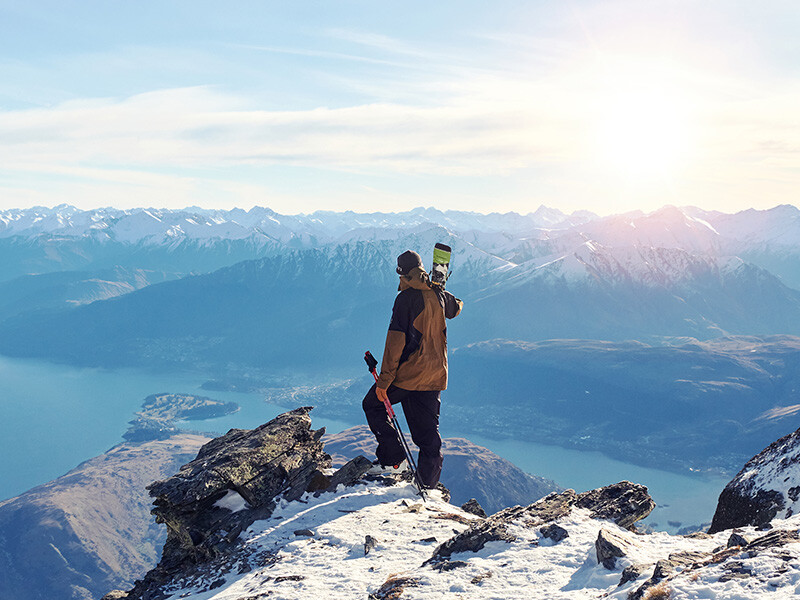
The South Island’s alpine areas become the centre of attention, with Queenstown, Wānaka, Fiordland and Aoraki/Mount Cook among the destinations promoted for winter experiences. Tourism New Zealand also highlights skiing, snowboarding, hot pools, stargazing, whale watching and winter cultural experiences.
Why choose winter?
Consider June to August if you want:
- Skiing or snowboarding
- Snow-covered mountains
- Cosy accommodation
- Hot pools
- Winter scenery
- Stargazing
- A quieter-feeling trip in many non-ski destinations
The official tourism guide gives typical winter maximum and minimum temperatures for major cities, but conditions vary considerably by region. Queenstown, for example, is much colder in winter than Auckland.
Winter road-trip considerations
Winter requires more planning if you’re driving.
NZ Transport Agency Waka Kotahi warns overseas visitors that New Zealand roads can be narrow, winding and steep, and that travel times can be longer than they appear on a map. Winter conditions can also change quickly.
Before a winter driving day:
- Check the weather forecast.
- Check road conditions and closures.
- Allow extra travel time.
- Avoid planning every day around a rigid schedule.
- Follow local warnings around snow and ice.
The NZ Transport Agency’s Journey Planner provides current information about travel times, incidents, roadworks and state highway conditions.
Best for: Travellers who actively want winter rather than simply accepting it.
Spring: September to November
Best for: Fewer crowds, gardens, fresh landscapes, outdoor activities and travellers who want a shoulder-season experience.
Spring can be an excellent alternative to autumn.
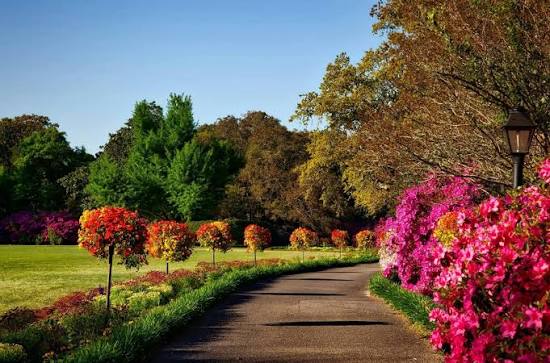
From September through November, landscapes become greener and flowers begin to appear, while mountain snowmelt can contribute to spectacular waterfalls. Tourism New Zealand also highlights spring as a season with fewer crowds and off-peak travel opportunities.
Why visit in spring?
Spring is a good choice for:
- Gardens and flowers
- Scenic drives
- Hiking
- Wildlife experiences
- Photography
- National parks
- Travellers who dislike peak-season crowds
The main drawback is variability.
Spring is a transition season, so you should be prepared for several types of weather in the same trip. Conditions in alpine areas can also differ substantially from those in the cities.
Best for: Flexible travellers who want shoulder-season benefits and don’t require consistently warm weather.
Best Time to Visit New Zealand by Activity
Instead of choosing a season first, beginners can often make a better decision by choosing their main activity first.
For a New Zealand road trip
Best overall: March–April or October–November.
Autumn and spring can provide a good balance between outdoor conditions and the peak summer travel period.
Summer remains excellent if beaches and warm-weather activities are important, but you should book popular accommodation and transport earlier.
Remember that distances can be deceptive. New Zealand’s roads may be narrow, winding and mountainous, so a route that looks short on a map can take longer than expected.
For hiking and walking
Best overall: March–May or September–November, depending on the specific track.
Summer offers favourable conditions for many popular walks, but it is also the peak period.
Autumn and spring can offer fewer crowds, while winter introduces additional considerations on alpine routes.
For multi-day Great Walks, don’t simply assume that a particular season guarantees availability. Department of Conservation bookings are highly sought after, and opening dates and operating conditions vary by track and season.
Always check the current DOC information for your chosen walk before booking flights around it.
For skiing and snow
Best: winter, especially July and August.
Tourism New Zealand identifies mid-June to mid-October as the general ski season, with July and August typically considered peak ski months. Opening and closing dates vary between ski areas.
If skiing is the main purpose of your trip, choose your destination and ski field first, then check its current operating dates rather than planning around a generic “winter season.”
For beaches and swimming
Best: December–February.
Summer is the natural choice for travellers who want to spend substantial time on New Zealand’s beaches or include swimming and warm-weather activities in their itinerary.
The trade-off is that summer is also the country’s busiest tourism period.
For autumn colours
Best: March–May.
Autumn is particularly attractive in parts of the South Island, including Central Otago and Arrowtown, where changing foliage adds a different dimension to the scenery.
For a quieter trip
Best: shoulder seasons.
Spring and autumn are generally the first seasons to consider if avoiding peak summer demand is important to you.
That doesn’t mean every destination will be empty. Popular attractions, events and accommodation can still be busy, and some activities operate seasonally.
Is Summer Really the Best Time for a First Trip?
Not necessarily.
Summer is the easiest season to recommend if your priority is warm weather and maximum outdoor activity, but that is different from saying it is universally the best time to visit New Zealand.
For a first-time traveller, summer can mean:
- More advance planning
- Higher demand at popular destinations
- Busier attractions
- Less flexibility if your preferred accommodation sells out
Tourism New Zealand identifies October through April as the broader peak season and recommends booking key travel components ahead during this period.
If you have a fixed two-week holiday and want to see major highlights without feeling rushed, late March or April may be a more comfortable compromise.
How Long Should You Plan for?
The best season also depends on the length of your trip.
For a first visit, avoid trying to cover every corner of New Zealand simply because the country looks compact on a map.
A short trip might work better with:
- One island
- Two or three main bases
- A small number of major activities
A longer holiday gives you more room to combine the North and South Islands, but remember to allow realistic driving time.
A common beginner mistake is building an itinerary around destinations rather than travel time.
For example, planning several major attractions on consecutive days may leave no buffer for bad weather, road delays or a slower-than-expected drive.
A better approach is to identify your must-see destinations, group nearby places together and leave some flexibility between major travel days.
How Far Ahead Should You Book?
The answer depends heavily on when you’re travelling and what you’re booking.
For peak-season travel, Tourism New Zealand recommends booking accommodation, tours, events and transport ahead of time.
For particularly popular walks, advance planning matters even more. DOC operates bookings for its Great Walks, and demand can be high when reservations open.
A practical first-timer checklist is:
Before booking flights
- Choose your preferred season.
- Check visa or NZeTA requirements for your passport.
- Decide whether you need a rental car.
- Check the operating dates of seasonal activities.
- Decide whether you’ll visit one island or both.
After booking flights
- Reserve popular accommodation.
- Book rental vehicles if required.
- Reserve major tours and activities.
- Check Great Walk availability if hiking is central to your trip.
- Build weather flexibility into your itinerary.
Immigration New Zealand confirms that entry requirements depend on factors including nationality and how you are travelling; some visitors need an NZeTA while others require a Visitor Visa. Always check the official requirements for your own passport before making non-refundable arrangements.
What Should First-Time Travellers Pack?
Don’t pack for an imagined “New Zealand climate.” Pack for changeable conditions.
A useful basic list includes:
- Comfortable walking shoes
- Lightweight layers
- Warm layer or fleece
- Waterproof jacket
- Sun protection
- Sunglasses
- Reusable water bottle
- Small daypack
- Personal medication
- Travel documents
- Phone charger and suitable power adapter
The exact mix should reflect your season and itinerary.
Someone visiting Auckland and Rotorua in summer will pack differently from someone spending several days skiing around Queenstown in July.
Should You Rent a Car?
For many first-time visitors, a rental car or campervan can make scenic travel easier, but it is not automatically the right choice for every itinerary.
New Zealand’s driving conditions can differ from what overseas visitors are accustomed to. Vehicles drive on the left-hand side, and roads can be narrow, winding and steep.
If you are hiring a vehicle, check:
- Your licence requirements
- Rental company’s age requirements
- Insurance and excess conditions
- Road restrictions
- Winter driving requirements
- One-way rental fees, if applicable
Don’t assume that a route is easy simply because the distance is short.
For road-trip planning, check the NZ Transport Agency Journey Planner before setting out, particularly when weather or road conditions may affect your route.
A Simple Decision Guide for First-Time Visitors
If you’re still unsure, use this five-step method.
Choose summer if: warm weather, beaches and outdoor activities are your priority.
Choose autumn if: you want the best all-round balance of scenery, conditions and fewer peak-season pressures.
Choose winter if: skiing, snow and alpine experiences are central to your trip.
Choose spring if: you want greener landscapes, flowers, fewer crowds and a shoulder-season atmosphere.
Choose late March or April if: you simply want a strong first-trip compromise and don’t have a specific seasonal activity driving the itinerary.
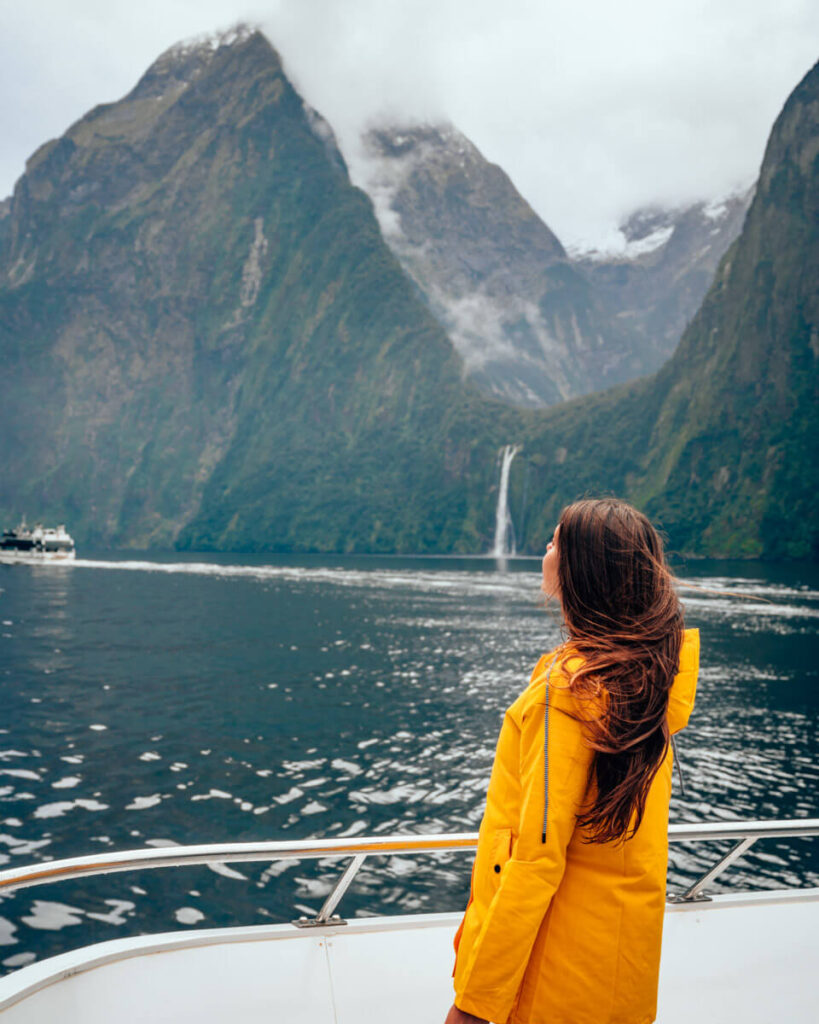
The most important point is that New Zealand is not a one-season destination. Official tourism guidance notes that attractions operate year-round, while the climate varies from subtropical conditions in the north to snowy alpine environments in the south.
Common Mistakes When Choosing Your Travel Month
Choosing the season before choosing the itinerary
A winter holiday designed around beaches makes little sense. Likewise, choosing summer when your main goal is skiing adds unnecessary constraints.
Start with what you want to experience.
Assuming the whole country has the same weather
New Zealand’s regions have distinct climates. NIWA’s regional climatologies show significant differences between places such as Northland, Auckland, Wellington, Otago and Southland.
Underestimating driving time
A road distance that looks manageable on a map may take considerably longer because of winding roads, hills, traffic or weather.
Booking a popular hike too late
Great Walks and other DOC facilities can be highly competitive during popular periods. Check booking dates before finalising an itinerary around a specific track.
Assuming shoulder season means everything is available
Some tours, transport services and attractions operate seasonally. Always check the current operating schedule for anything that is essential to your trip.
Frequently Asked Questions
What is the best month to visit New Zealand for the first time?
April is one of the strongest choices for a first visit. It sits within autumn, a season known for attractive scenery, generally settled conditions and fewer peak-season pressures. It is especially suitable for travellers planning a mixture of sightseeing, road trips and outdoor activities.
Is summer or autumn better for New Zealand?
It depends on your priorities. Summer is better for warm-weather activities and beaches, while autumn is often better for a balanced first trip because it combines attractive conditions with a less peak-season feel.
What is the cheapest season to visit New Zealand?
There is no single nationwide “cheapest season” for every flight, hotel and activity. Prices vary by destination, dates and demand. However, travelling outside the peak summer period can reduce some of the booking pressure associated with the busiest travel months. Always compare actual prices for your dates rather than assuming a season will automatically be cheaper.
Is winter a good time to visit New Zealand?
Yes, particularly if you want skiing, snow, alpine scenery, hot pools or winter experiences. It is less suitable if your main goal is a warm beach holiday. South Island alpine destinations can become very cold, and winter road conditions require additional planning.
How far in advance should I book a New Zealand trip?
For peak-season travel, book popular accommodation, transport, tours and activities well ahead. If a Great Walk is part of your itinerary, check DOC’s booking calendar before fixing your travel dates.
Can I visit New Zealand in spring or autumn?
Absolutely. Both are strong shoulder-season choices. Spring offers fresh growth, flowers and generally fewer crowds, while autumn brings changing foliage, crisp conditions and attractive scenery.
Final Takeaway
For most first-time travellers, late March to April is the best overall time to visit New Zealand. It provides a strong balance between weather, scenery, outdoor activities and the pressures of peak summer travel.
Choose summer if warm-weather adventures are your priority, winter if skiing and snow are the reason for your trip, and spring if you prefer a quieter shoulder-season experience.
Most importantly, choose your travel dates around the experiences you actually want. New Zealand’s regional climates and seasonal activities vary enough that the “best” month for one itinerary may be the wrong choice for another.
SOURCES
- Tourism New Zealand: Seasons in New Zealand
Supports the official season dates, seasonal characteristics and example city temperatures. - Tourism New Zealand: Frequently Asked Questions
Supports peak-season timing and recommendations to book accommodation, transport, tours and events ahead. - Earth Sciences New Zealand: New Zealand climate and weather
Supports statements about New Zealand’s maritime climate, regional variation and rainfall patterns. - Earth Sciences New Zealand: Regional climatologies
Supports regional differences in climate across New Zealand. - NZ Transport Agency: Visiting New Zealand
Supports driving information for overseas visitors, including left-side driving, narrow and winding roads and travel-time considerations. - NZ Transport Agency: Plan your journey
Supports recommendations to check road conditions, incidents, roadworks and travel information before driving. - Department of Conservation: Great Walks
Supports information about Great Walks and the need to use the official booking system. - Immigration New Zealand: Visitor Visa
Supports current guidance that entry requirements depend on the traveller and that some visitors require a Visitor Visa. - Immigration New Zealand: NZeTA
Supports current information about travellers who may use an NZeTA instead of applying for a Visitor Visa. - Tourism New Zealand: Discover autumn in New Zealand
Supports autumn weather, activities, destinations and shoulder-season context. - Tourism New Zealand: Discover winter in New Zealand
Supports winter activities, destinations and seasonal temperature information.